Endoscopy in Singapore by AMT: Advanced Care.
Today, more than 40% of advanced endoscopic devices across Southeast Asia incorporate precision components produced via Metal Injection Molding (MIM). This boosts safe, speedy procedures across the area.
Here’s how AMT in Singapore leads endoscopy with a blend of clinical expertise and high-tech manufacturing. They use Metal Injection Molding (MIM), assemble in a 100K cleanroom, and use ETO sterilization. This all helps in making single-use devices and sterile packaging for endoscopy by AMT.
Endoscopy centers in Singapore are seeing significant benefits. Improved imaging, miniaturized optics, and strong training programs lead the way. For patients, that means minimally invasive diagnostics and therapies, shorter sedation times, and faster recovery.
AMT’s work also helps solve bigger problems like costs, the need for specialist doctors, and meeting rules across the area. This article outlines how AMT’s endoscopy capabilities support clinicians and patients alike. Focus areas include access, safety, and cost reduction.
Important Discoveries
- Endoscopy by AMT combines MIM manufacturing with cleanroom assembly and ETO sterilization for reliable components.
- AMT endoscopy supports high-definition, minimally invasive procedures that improve patient recovery.
- Singapore centers use AMT components to improve workflows and device safety.
- Advanced devices reduce sedation and enable diagnostic-plus-therapeutic procedures in one session.
- Costs, specialist training, and regulation influence access to AMT-enabled endoscopy services in the region.
About Endoscopy and AMT’s Role
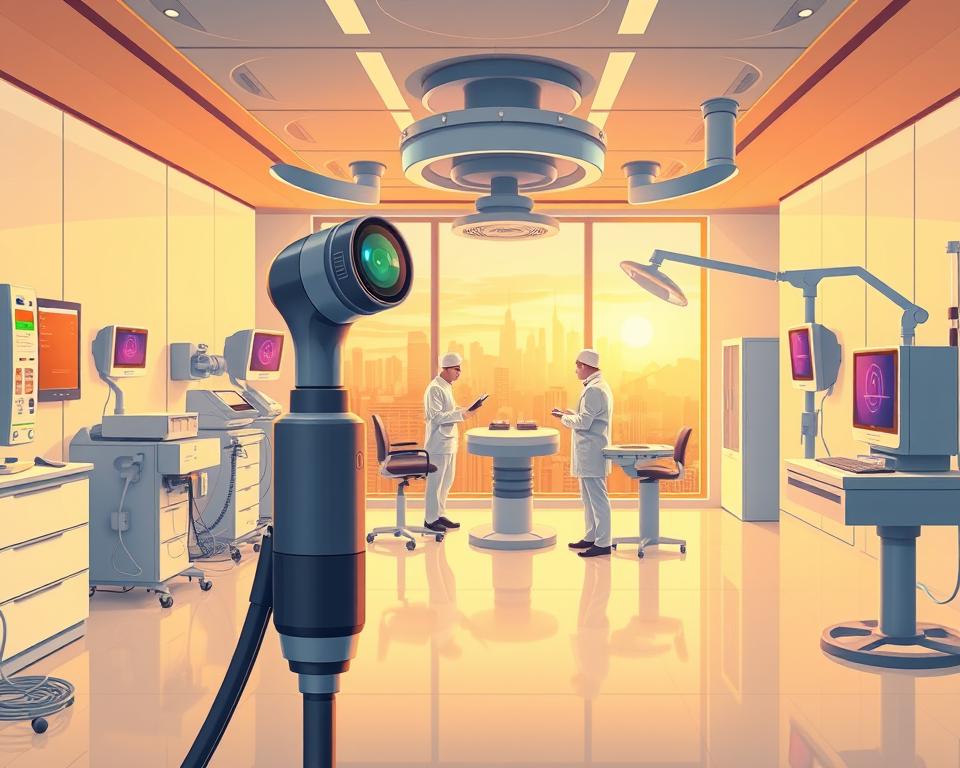
Endoscopy is a way doctors can look inside the body without big cuts. They use tiny cameras on flexible or rigid scopes. This approach enables visualization, diagnosis, and treatment in a single session. It cuts down on recovery time and avoids big surgeries.
Definition and purpose of endoscopy
Doctors use endoscopy to check out areas like the stomach, lungs, and kidneys. Biopsies, polyp removal, and targeted therapy can occur with minimal incisions. This means patients don’t need heavy sedation, can leave the hospital sooner, and get back to life quicker.
AMT’s Tech-Driven Endoscopy Support
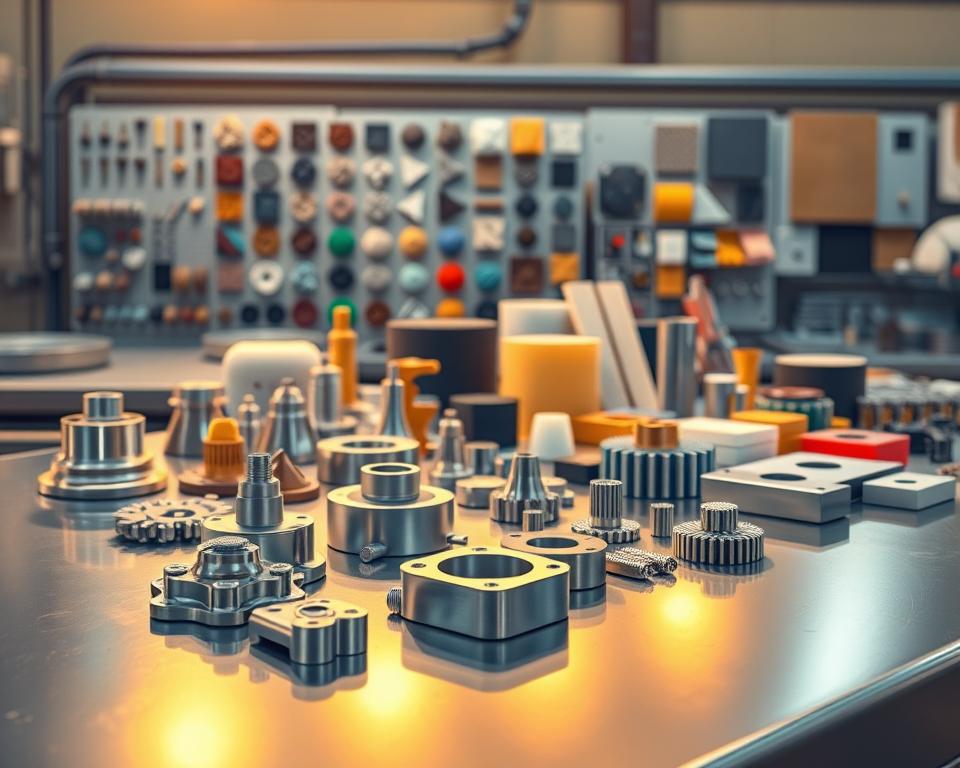
AMT manufactures precision parts that enhance endoscope performance. Using MIM and cleanroom assembly meets stringent standards. Components such as biopsy tools and electrodes arrive sterile and ready to use. This makes things faster and safer for patients.
Evolution from early scopes to today’s high-definition, miniaturized endoscopes
Early endoscopes of the 19th century were basic tubular devices. Today’s systems use mini digital cameras and highly flexible scopes. Better cameras and lights help doctors see clearer and diagnose better. Early-stage AI assists with faster lesion detection.
Thanks to companies like AMT, these tools are getting even better. They help doctors in Singapore do more complex treatments with less risk. This means patients get top-notch care without big surgeries.
endoscopy by AMT
AMT is your all-in-one partner for those making devices and hospitals in Singapore. They blend fine manufacturing, cleanroom assembly, and sterilization for use-ready tools that match clinical timelines. This method speeds up device development from quick prototyping to full-scale production, all while focusing on regulatory requirements.
What AMT Delivers for Endoscopy
AMT provides MIM, precision component sourcing, 100K cleanroom assembly, and ETO sterilization. They support single-use devices, peel-open sterile packaging, and post-manufacturing sterilization so instruments can go straight to the OR. Manufacturers see shorter lead times and clinicians receive sterile, ready-to-use tools immediately.
Integrating MIM with Device Design
MIM creates complex geometries and micro-features that are hard to achieve otherwise. AMT combines MIM with design focused on manufacturing to cut down on the number of parts by merging several into one. This leads to tight precision even at very small scales, enhancing the tool’s reliability and reducing the time to put it together.
Examples of AMT Endoscopy Components
In AMT’s endoscopy lineup, you’ll find biopsy forceps and graspers for GI and urology, clamps, and scissors for careful tissue handling, and biopsy needles designed with precision. They also offer single-use TURP bipolar electrodes in stainless steel or tungsten alloy, all sterile in packages that peel open. Each item is made with consistent quality and assembled in clean conditions to ensure they’re safe for clinical use.
| Component |
Manufacturing Method |
Typical Materials |
Clinical Use |
| Biopsy forceps (GI/Uro) |
MIM plus secondary finishing |
316L stainless steel |
Tissue sampling in GI and urology |
| Graspers |
MIM precision forming |
Stainless & tungsten alloys |
Delicate tissue handling/retrieval |
| TURP bipolar electrodes |
MIM with post-machining |
Tungsten alloy, stainless steel |
Bipolar resection in urology |
| Clamps & scissors |
MIM and micro-machining |
Medical-grade stainless steel |
Minimally invasive instrument tips |
| Biopsy needles |
MIM and heat treatment |
Stainless steel |
Targeted tissue extraction with precise geometry |
With AMT’s endoscopy solutions, the number of assembly steps drops and consistency in each batch goes up. Clinicians receive sterile, packaged, ready-for-surgery devices. And manufacturers can produce a large amount efficiently and affordably.
Singapore’s Advanced Endoscopy
Singapore offers a broad spectrum of advanced endoscopy methods. These are for diagnosis and treatment. Leading hospitals and centers have endoscopy suites. They use the newest tools for both simple and complex conditions.
GI Endoscopy: Diagnostic & Therapeutic
Gastrointestinal endoscopy includes procedures like esophagogastroduodenoscopy and colonoscopy. They offer direct viewing, targeted biopsy, polypectomy, and control of bleeding in one session. Techniques like endoscopic mucosal resection and submucosal dissection can treat early cancers. All without open surgery.
MI Endoscopy and Recovery
Minimally invasive endoscopy uses flexible scopes, tiny cameras, and tools for treatment. These advances limit tissue trauma and reduce sedation. As a result, hospital stays shorten. Patients resume normal activities sooner and face fewer complications than with open surgery.
Therapeutic endoscopy that combines diagnosis and treatment in one procedure
Many procedures combine diagnosis and therapy in one sitting. This enables doctors to find and remove polyps, take tissue samples, and perform coagulation or resection all at once. This reduces repeat anesthesia, shortens hospital time, and enables outpatient/day-surgery care.
Advanced endoscopy in Singapore is enhanced by AMT-enabled tools and precise components. These innovations allow doctors to carry out complex procedures with greater accuracy and safety. Consequently, regional patients access more up-to-date care.
Technology & Instruments by AMT
AMT provides practical, clinical-grade advancements for endoscopy. They bring together optics, precise metals, and disposable items. This helps doctors see clearer and work safer during procedures.
High-definition imaging, miniaturized cameras, and lighting systems
Surgeons receive crisp, real-time imagery via HD and mini cameras. Bright LEDs and fiberoptic lights boost color and detail. This accelerates detection and supports shorter, safer procedures.
How MIM Enables Precision Parts
MIM lets AMT make precise metal parts for endoscopy. Biopsy forceps, grasper jaws, and electrode tips are durable and dimensionally accurate. This method makes the parts reliable by reducing assembly steps.
Single-Use Instruments & Sterile Packaging
Tools for one-time use come sterilized, lowering infection chances. ETO sterilization and clean assembly underpin safety. Sterile-barrier packaging and lot traceability secure workflows.
| Feature |
Clinical Benefit |
AMT capability |
| HD imaging |
Improved lesion detection and treatment precision |
Integrated CMOS cameras with LED/fiber lighting |
| MIM precision parts |
High precision, strength, and part consolidation |
MIM for forceps, electrodes, micro-instruments |
| Sterile single-use instruments |
Lower infection risk, simpler reprocessing |
Sterile-peel packs, ETO sterilization, cleanroom assembly |
| Traceability & packaging |
Compliance and supply confidence |
Lot tracking, sterile barriers, validated processes |
AMT’s endoscopy solutions bring together imaging, MIM parts, and single-use tools for modern needs. Focus areas are accuracy, reliability, and safety in Singapore and beyond.
Singapore Endoscopy Care
In Singapore, hospitals and special clinics have a strong network for endoscopy services. Expert teams—gastroenterologists, nurses, and techs—use advanced equipment to manage care efficiently. High-quality devices support safety for local and international patients.
Workflow Support from AMT
AMT precision parts reduce failures and keep schedules on time. Instruments like biopsy forceps meet exact standards, quickening case turnover. Reliable quality smooths procedures and reduces delays.
Improved Patient Experience
Today’s endoscopy equipment is more advanced, using thinner scopes for comfort. Many patients need only light sedation due to these advances. The result? Less harm to tissue and quicker home returns.
Sterilization and cleanroom integration
AMT aligns with Singapore’s hospital sterilization methods, using cleanrooms and ETO sterilization. Single-use options reduce reprocessing workload and infection risk. This approach ensures equipment is safe and ready for patients.
Efficiency in the Service Chain
Disposables accelerate turnover and free staff for clinical tasks. With a reliable flow of AMT parts, high-demand services run smoothly. This teamwork makes sure every patient gets consistent, high-quality care.
| Operational Need |
AMT Contribution |
Benefit for Patient Care |
| Reliable instruments |
Precision MIM for forceps/graspers |
Fewer delays, safer outcomes |
| Turnover time |
Single-use devices and stocked sterile kits |
Faster patient throughput and reduced wait times |
| Assured sterility |
100K cleanroom assembly with ETO sterilization |
Lower infection risk, compliant flow |
| Patient comfort |
Mini scopes, refined accessories |
Less sedation, less discomfort, quicker recovery |
Skills & Training for Endoscopy
To work with modern endoscopy tools, you need both education and hands-on experience. Doctors specializing in the stomach, urinary system, or surgeries get specific training. They also practice a lot with simulations and real procedures. This builds safe, confident use of advanced technology.
Training to Operate Advanced Systems
Endoscopy training emphasizes procedure volume and competency assessment. Trainees practice with HD imaging, energy devices, and system management. Education covers component selection and safe disposable use. This reduces mistakes related to the equipment. The training often includes tests and monitored cases.
Centralization and Access
In Singapore, top-end endoscopy training is mainly at big hospitals. These places become experts because they handle many cases. But, people living far away might find it hard to get to these specialists. Health systems have to think about whether to spread out resources or keep them centralized.
Ongoing Education & Competency
Teams need to keep learning about new tools and computer-assisted scans. They often check their work and learn from mistakes to stay safe. Companies like AMT offer courses to help doctors understand the technology better. Keeping up with training means fewer problems and happier patients.
Workforce & Cost
Maintaining skills requires training investment and teaching time. These expenses affect how much treatments cost in different places. Strategic workforce planning supports equitable access.
Endoscopic procedures covered and clinical indications
Endoscopy spans broad diagnostic and therapeutic indications. In Singapore, doctors use these methods for many purposes. They check symptoms, handle benign (non-cancerous) problems, and take tissue samples with little trouble for the patient.
GI Indications
Upper endoscopy and colonoscopy identify bleeding, investigate dyspepsia, and support colorectal cancer screening. Therapeutic tasks include polypectomy, resection, hemostasis, and targeted biopsy. Tools from AMT let doctors take precise samples for checking early signs of cancer.
Urological Indications
Ureteroscopy/cystoscopy visualize the urinary tract for stones, obstruction, and tumors. A common procedure for enlarged prostate is transurethral resection. TURP electrodes, used in this procedure, are carefully made. Tips use stainless or tungsten alloys for resection and coagulation.
When minimally invasive endoscopy is preferred
MI endoscopy is preferred for early tumors, benign obstruction, and urgent bleeding. It’s also favored when less invasive sampling is safer than open surgery. Comorbid patients benefit from shorter anesthesia and faster recovery.
Decision Factors
The choice between endoscopy and open surgery depends on pathology, size, and location. Available expertise and equipment also matter. What the patient prefers and how quickly they can expect to recover are also important in making a decision.
| Indication |
Common Endoscopic Approach |
AMT Component Role |
| UGI bleeding |
UGI endoscopy + hemostasis |
HD optics + forceps for targeted sampling/coagulation |
| Colorectal polyp |
Colonoscopy with polypectomy or EMR |
Mini graspers/snares via precise MIM |
| Possible bladder tumor |
Cystoscopy with directed biopsy |
Durable single-use biopsy tools + cameras |
| BPH |
Bipolar TURP resection |
Single-use TURP electrodes (stainless/tungsten) for resection/coagulation |
| Ureteral stone |
Ureteroscopy with laser lithotripsy |
Precision tips and mini shafts for passage and manipulation |
Safety, Sterility & Compliance
Patient safety depends on meticulous cleaning, assembly, sterilization, and documentation. AMT operates advanced 100K cleanroom assembly lines. These lines combine top-notch assembly methods with reliable sterilization processes. This method helps prevent infections in endoscopy areas by meeting hospital infection-control standards.
AMT Clean Assembly process finishes with ready-to-use sterile products or devices. For tools that can be reused, the company outlines specific cleaning and sterilization steps. They also explain which sterilization methods work best. ETO is key for heat-sensitive items, ensuring safety and audit readiness.
When choosing between single-use or reusable instruments, it’s important to consider several factors. Single-use instruments reduce infection risks and make meeting regulations easier. On the other hand, reusable devices can save money but require a strong system for cleaning and sterilization to stay safe.
In Singapore, medical devices must meet defined standards. Companies have to register with the Health Sciences Authority and show they follow ISO 13485 standards. Electrical components must satisfy relevant IEC standards. Also, providing clinical evidence and conducting post-market surveillance are crucial for keeping up with regulations.
Medical tourism introduces added complexity. Hospitals serving international patients maintain detailed device provenance, sterilization history, and staff training records. Such documentation is necessary to meet the standards of foreign insurance and accreditation organizations. This helps in making informed decisions about endoscopy solutions and maintaining a sterile supply chain.
| Aspect |
Single-use |
Reusable |
| Cross-infection risk |
Low; one-and-done use lowers cross-contamination |
Depends on validated reprocessing + tracking |
| Cost profile |
Higher per-case consumable cost; lower capital needs |
Higher upfront capital; lower per-case consumables over time |
| Sterilization method |
ETO-sterilized or aseptically packaged, delivered sterile |
Requires autoclave, ETO sterilization, or validated cycles per material |
| Regulatory/documents |
Simpler traceability for single lots; packaged sterile barrier records |
Comprehensive reprocessing logs, maintenance, and performance validation |
| Environment |
More waste volume; recycling programs emerging |
Less disposable waste; energy/water use for reprocessing |
| Operations |
Less reprocessing work; faster turnover |
Requires sterilization staff, validated SOPs, and downtime for processing |
Hospitals need to consider risks, costs, and rules when picking endoscopy solutions. Accurate records, proper ETO, and clean assembly are crucial. These ensure safety and support regulatory adherence.
Economic and access considerations for advanced endoscopy in Singapore
Advanced endoscopy clearly benefits patients. High-definition equipment and special tools make costs go up. These costs influence pricing and service models.
State-of-the-art endoscopy suites are capital intensive. Ongoing maintenance adds yearly operating expense. The use of disposables and the need for ongoing training also make things pricier. All these factors contribute to the overall cost of endoscopy services for patients and healthcare facilities.
Medical Tourism & Regional Demand
Hospitals in Singapore attract patients from across Southeast Asia. They come for complex procedures they can’t get at home. Short waits and high-quality care are major draws. Partnerships help keep costs down and service consistent for visitors.
Maintenance, lifecycle, and unit economics
Hospitals have to think about the upfront costs and the costs over time. Frequent need for disposables and new parts can add up. However, smart management and good deals can reduce the financial strain. Clear accounting helps compare costs between different centers more easily.
Access Equity Considerations
Focusing advanced care in select centers can make healthcare gaps bigger. Access hinges on funding and insurance. If not handled carefully, only the well-off will benefit. Planning should aim for equitable distribution.
Policy levers and collaboration
Working together, the public and private sectors can make care both innovative and affordable. Subsidies and transparent pricing ease pressure. Safe use of disposables can also keep infection risks low without raising costs. Together these policies support fairer access.
| Factor |
Impact on Pricing |
Potential Policy Response |
| Capital equipment |
High capex raises per-case amortization |
Subsidies, leasing, shared public suites |
| Maintenance and software |
Annual contracts add predictable operating expenses |
Competitive bidding, multi-year service agreements |
| Consumables/single-use |
Direct per-procedure cost increases |
Evidence-based use, reimbursement tuning |
| Specialist training and staffing |
Higher labor and credentialing costs |
Government-funded training, regional skill centers |
| Tourism demand |
Revenue can help subsidize advanced services |
Accreditation, transparent pricing |
| Supply-chain integration |
Improved availability can lower amt endoscopy cost |
Local incentives, AMT partnerships |
| Insurance/subsidy |
Sets out-of-pocket burden |
Expanded coverage, means-tested support |
Future trends: AI, telehealth integration, and manufacturing advances
Innovation is reshaping endoscopic care in Singapore and the region. Advances in imaging, telepresence, and manufacturing are converging. They are making it possible to do more, make work easier, and cost less per procedure. These shifts impact clinicians, device makers, and hospitals alike.
AI-Assisted Detection & Support
Machine learning now helps doctors spot small lesions and figure out what kind of polyps are there during checks. AI support improves accuracy and reduces misses. This gives doctors an extra pair of eyes while working.
Using AI in endoscopy needs careful checking, clear metrics for performance, and rules to stop bias in algorithms. Clinical teams must learn to interpret AI outputs and balance them with clinical judgment.
Telehealth-enabled devices and remote management
Telehealth endoscopy starts new ways to oversee and consult. Experts from afar can watch procedures live, help decide on biopsies, and give second opinions from different places.
Remote device management reduces in-person adjustments and PPE use. Teams can watch over device health, plan upkeep, and update systems without waiting.
Scaling Precision with MIM
MIM manufacturing makes it cheaper to make small, precise parts for modern scopes and tools. Metal injection molding combines steps, reduces assembly time, and increases the amount made while keeping quality high.
Faster prototyping and lower unit cost support rapid iteration. Consistency increases device longevity and supports steady clinical supply.
What Providers & Suppliers Should Do
AI, telehealth, and MIM improvements enable distributed care and faster diagnosis. Health systems need to update training, spend on cybersecurity, and have clear rules for data.
Companies that make endoscopy devices should work with doctors. They should validate usability and integrate AI/remote support smoothly into workflows.
| Trend |
Key Benefit |
Primary Challenge |
| AI-assisted detection |
Improved lesion detection and standardized reads |
Validation, bias mitigation, clinical governance |
| Telehealth endoscopy |
Remote expertise and centralized oversight |
Bandwidth, privacy, workflow fit |
| MIM precision |
Scalable, precise components with lower unit costs |
Upfront tooling, quality control, regulatory traceability |
| AMT endoscopy solutions |
End-to-end continuity of device supply |
Interoperability, training, maintenance models |
In Closing
AMT’s endoscopy in Singapore uses precise manufacturing and cleanroom assembly. This approach supports high-quality care that’s less invasive. Solutions include clear imaging, dependable single-use tools, and durable components.
Benefits include improved diagnosis via HD imaging and AI. Procedures are more streamlined. This means big improvements for endoscopy departments.
But, there are hurdles like costs of equipment and training. Strict regulatory compliance is also required. Choosing reusable vs single-use affects infection control and cost. Addressing these ensures broader, equitable access.
In the future, blending AI, telehealth, and better manufacturing will enhance endoscopy services. In Singapore, makers, health leaders, and government officials must collaborate. The shared goal is safe, affordable, widely available endoscopy care.