Categories
Manufacturing

Eco-Friendly Practices in Titanium CNC Milling Shops

“Foresight without implementation is an illusion.” – Thomas Edison. This insight cuts to the core of product development. A brilliant design stays an idea until it turns into a tangible, testable part.

UYEE Prototype bridges this gap. We are a established provider of precision fabrication services. We focus on transforming the versatile thermoplastic ABS into high-performance components.

Titanium Precision Parts

CNC Machining ABS Prototype

Precision Machined Parts

Acrylonitrile Butadiene Styrene provides an outstanding balance of properties. It provides excellent resistance to impact, solid strength, and dimensional stability. This makes it a preferred choice for structural applications across many fields.

Our modern computer-controlled cutting process machines solid blocks into accurate, functional items. This approach bypasses the need for expensive injection molds. It is a economical path for low to medium-volume runs and rapid development cycles.

Industries from automotive to consumer electronics depend on these durable plastic parts. They are used for jigs, fixtures, and end-use products. The key is choosing an experienced manufacturer.

UYEE Prototype blends material science with manufacturing expertise. We guide clients through design for manufacturability and achieving tight tolerances. This partnership ensures your vision is brought to life with quality and efficiency.

An Introduction To CNC Fabrication Of ABS Prototypes

The journey from digital design to physical part hinges on selecting the right combination of material and manufacturing process. For countless engineers, the answer lies in a common thermoplastic and a precise, computer-controlled fabrication method.

This synergy results in durable, functional items ideal for testing and use. Understanding the material’s science and the process’s advantages is the first step.

What Is ABS Material? Knowing Acrylonitrile Butadiene Styrene

ABS stands for acrylonitrile butadiene styrene. It is a popular thermoplastic polymer. Its name points to its three-monomer copolymer structure.

Acrylonitrile adds chemical resistance and thermal stability. Butadiene delivers toughness and impact strength. Styrene provides rigidity and ease of processing.

This blend results in a material known for strong durability and good dimensional stability. It maintains its shape under load, which is crucial for structural applications.

Titanium Precision Parts

“Your choice of material forms the basis of product performance.”

Engineering Fundamental

Key property metrics help guide specification. Heat deflection temperature indicates how well a part performs under thermal stress. Rockwell hardness measures resistance to indentation.

Specialized grades, like ABS Flame Retardant, are available for additional safety requirements. This variant meets specific industry standards.

Why Choose CNC Fabrication For ABS Prototypes?

Several methods exist for creating plastic parts. Computer-controlled cutting distinguishes itself for functional models. It provides “true material behavior” since the item is milled from a solid block.

This preserves the full mechanical properties of the final production plastic. Other techniques, like vacuum casting, may use secondary materials that don’t match.

Process flexibility is a major advantage. Design iterations can happen rapidly without expensive tooling investment. It is perfect for low-volume runs and complex geometries.

The cost-effectiveness for small quantities is significant. High-quality surface finishes and precise details are achieved directly from the machine.

For functional testing, design validation, and presentation-quality models, this approach offers an optimal blend. It delivers fidelity, speed, and economic value.

At UYEE Prototype, our expertise in material science guides this selection. We ensure your components meet both performance and budgetary goals.

Key Advantages Of CNC Machined ABS Prototypes

Selecting the right method for creating plastic components hinges on three fundamental pillars: economy, material performance, and precision. These advantages result in reduced project risk and a smoother path from concept to validated product.

Cost-Effectiveness And Rapid Lead Times

The economic case for this fabrication method is compelling. It eliminates the high upfront cost of injection molds.

This makes it ideal for quantities from a single piece to over a hundred. The entry price point for initial models is very low.

Speed is equally critical. At UYEE Prototype, project lead times can start at just 3 days.

This rapid turnaround enables fast design iteration. It significantly shortens your overall time-to-market.

Superior Material Properties: Strength, Toughness, And Dimensional Stability

The chosen thermoplastic delivers remarkable performance. It offers high impact resistance and good tensile durability.

This inherent resilience and rigidity often outperform other commodity plastics at a similar cost. Components can absorb shock without failing.

Geometric stability is a critical property. It ensures parts maintain their precise shape and fit within assemblies.

This stability holds true across a range of environmental temperatures. It is essential for functional testing and end-use deployments.

Material Property Value for Manufactured Parts
Strong Impact Resistance Handles drops and abrupt loads well, making it ideal for housings and enclosures.
Solid Tensile Strength & Stiffness Maintains structural integrity under tension and bending forces.
Excellent Dimensional Stability Maintains precise geometry and fit, which is critical for assemblies.

Precision And Tight Tolerances In Fabrication

Geometric accuracy is a cornerstone of our service. Standard machining accuracies are held to ±0.010 inches.

Tighter accuracy targets, such as ±0.002 inches, are readily achievable. For demands below ±0.002 inches, our experts conduct a manual review to ensure feasibility.

Smart design optimizes both cost and quality. Avoid specifying excessively tight tolerances unless absolutely necessary.

Grouping features on the same axis planes minimizes machine complexity. Keeping internal corner radii and tapped hole sizes consistent reduces tool changes.

UYEE Prototype offers components in natural beige, white, or black. For surface texture, you may choose the standard “As Machined” look or a uniform matte “Bead Blast” texture.

“Accuracy in prototyping confirms accuracy in production.”

UYEE Prototype Engineering Principle

These advantages combine to deliver reliable, high-fidelity parts. They empower your product development team to reduce risk and confirm performance with confidence.

Applications And Sectors For ABS Prototypes

From sleek consumer gadgets to rugged industrial equipment, specific thermoplastics prove their worth through versatile application. The theoretical benefits of precision-fabricated parts become concrete when they meet real-world demands.

This section explores major sectors where these components excel. Each industry leverages unique material properties to solve distinct challenges.

UYEE Prototype has extensive experience across these diverse fields. We help clients translate design intent into functional, reliable items.

Consumer Electronics: Housings And Enclosures

The consumer electronics sector demands a delicate balance. Parts must be lightweight yet durable, aesthetically pleasing, and precisely fitted.

This plastic offers an ideal combination of impact resistance and excellent surface finishability. It protects delicate internal circuitry while providing a sleek, user-friendly exterior.

Common applications include laptop cases, television bezels, and game controller bodies. These housings and enclosures require perfect fit for internal components.

Home appliance bodies also benefit from the material’s good strength and dimensional stability. UYEE’s fabrication ensures tight tolerances for seamless assembly.

This results in presentation-ready models that look and perform like final products. It allows for thorough user testing and design validation before high-volume production.

Automotive Components: Interior Trim And Functional Parts

In the automotive world, components face a harsh environment. They must withstand temperature fluctuations, UV exposure, and physical wear.

Interior trim pieces, like dashboard panels and pillar covers, are prime examples. The material provides a desirable feel, finish, and cost-effectiveness for these visible parts.

Its toughness and rigidity are crucial for functional items under the hood or on the exterior. Applications include grilles, spoilers, and specific bumper components.

“Proper material selection in the proper location shapes quality and safety in automotive engineering.”

Dimensional stability ensures these parts maintain their shape and fit across a wide temperature range. This property is non-negotiable for both safety and aesthetics in vehicle manufacturing.

From prototype to low-volume production, this approach allows for rapid iteration of complex geometries. It accelerates development cycles for both interior and exterior applications.

Industrial Manufacturing: Jigs, Fixtures, And Machine Housings

Industrial settings prioritize utility, durability, and cost-efficiency. Here, the focus shifts to custom tooling and equipment that streamline production.

Custom jigs, fixtures, and assembly aids are typical applications. These tools guide workers or machines during manufacturing, ensuring consistency and quality.

The material’s strength, machinability, and low cost make it perfect for these utilitarian roles. Protective housings for machinery and control panels are also common.

These enclosures and cable management parts shield sensitive electronics from dust, debris, and incidental impact. Rapid production of such custom components enables faster production line setup and modifications.

UYEE Prototype’s expertise ensures these industrial parts are robust and precisely made. They withstand the rigors of the factory floor, proving the material’s value from the design lab to operational deployment.

The versatility of this solution is clear. It supports innovation from initial concept through functional testing and into low-volume manufacturing.

By understanding sector-specific needs, UYEE delivers parts that perform as intended. This partnership turns ambitious designs into tangible, reliable components.

Why Partner With UYEE Prototype For Your ABS Needs

Your project’s outcome depends on a collaborator who understands both the science of materials and the art of fabrication. UYEE Prototype offers this dual expertise, guiding you to the optimal manufacturing process.

We provide deep knowledge of thermoplastics, including specialized grades for specific applications. Our team excels in precision fabrication, holding tight tolerances and machining complex geometries.

For functional testing and low-volume runs, computer-controlled cutting delivers true material properties in days. When appearance matters for small batches, vacuum casting offers a cost-effective alternative. High-volume production later benefits from injection molding.

We act as your consultative partner, offering design for manufacturability feedback to optimize cost and performance. Our rapid lead times and transparent pricing keep projects on schedule.

Value-added services like surface finishing and assembly deliver ready-to-use components. Submit your CAD files to our team for a professional review and quote. We can transform your design into a tangible success.

Categories
Manufacturing

Cost-Effective Solutions for Small-Scale FTTH Production

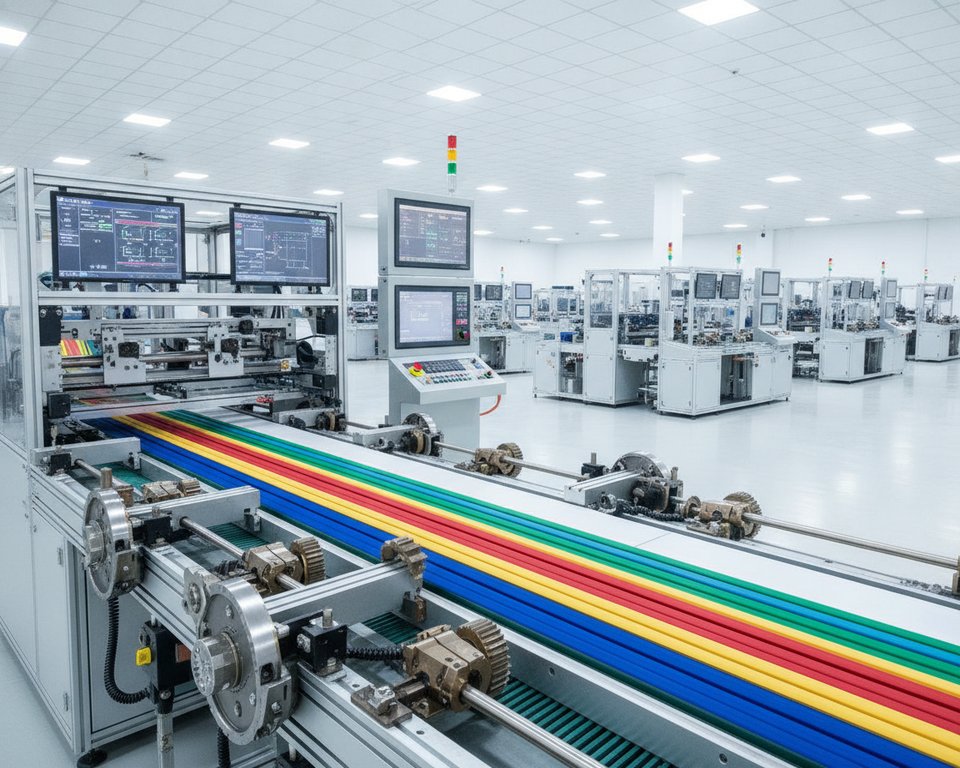
The FTTH Cable Production line is a unified series of modules that transforms fiber optic glass into completed drop and distribution cable products with consistent, repeatable quality.
Compact Fiber Unit
This opening section supports operations leaders, process engineers, procurement teams, and students in the U.S. who review how industrial production equipment converts fragile fiber into robust cables for service and communication networks.

At its core, the full-chain objective is straightforward: shield the fiber, keep attenuation low, add strength for installation, and deliver a product that holds up to both indoor and outdoor environments.

Professional-grade equipment provides stable tension control, synchronized motion control, defined process windows, and clear documentation for customer acceptance. This article helps align the line setup, materials, and validation plan to the desired cable design instead of buying machines first and correcting later.

You’ll map stages such as fiber handling and preparation, buffering and coating, fiber organization and stranding, strength member integration, jacketing (outer sheath extrusion), optional armoring, and final validation and packaging.

Key takeaways: A properly specified line minimizes defects and keeps delivery schedules predictable. Lock in process alignment before equipment purchase to avoid wasted time and expense.

How A Fiber Optic Cable Production Line Works Today

Where last-mile drop and distribution demands meet factory practice.

Modern production lines convert fine glass fiber into finished products used in United States broadband buildouts. Rising last-mile drop and FTTH drop demand pushes high volumes, so manufacturers emphasize consistent handling and standards compliance.

Core Modules & Material Flow

Material progresses through a defined sequence: pay-off feed → guiding and tensioning → secondary coating and coloring → organization / SZ stranding → strength-element feed → jacketing and sheathing → cooling / curing → take-up and testing.

TTH Cable Production Line

Modules To Outcomes

Stable fiber handling lowers attenuation and preserves data and communication integrity. Uniform jacketing supports installation and connector prep. In-line monitors detect loss events before reels ship.

  • Indoor vs. outdoor: different jacket compounds and buffering.
  • Armored variants add steel tape or wire to improve rodent and crush resistance.
  • Drop designs favor tight-buffered fibers and simplified connector prep.

Buyers should view lines as modular. Factories add armoring or omit steps to match the product type. Throughput is limited by curing and dimensional control, not only motor speed.

Define Your Product & Data Standards Before Equipment Purchase

Start with a clear product map that defines the cable type, fiber/core count, service environment, and user scenarios. That early definition narrows the modules your line must include, from tight-buffer units to SZ stranding and jacket extrusion systems.

Select Standards & Measurable Targets

Choose fiber standards such as ITU-T G.652D class or bend-insensitive G.657 A1/A2 based on required bend performance and routing. Document optical loss budgets, tensile strength, crush and bend limits, and environmental durability before choosing a supplier.

  1. Map the exact product type and core/fiber count to define required modules and control needs.
  2. Set loss budgets and strength targets to steer material selection.
  3. Define required materials (buffer polymers, jacket compounds) and confirm supplier availability in the U.S.

Data Standards, Traceability & Validation

Translate targets into factory information: logged process variables, lot traceability, and required customer test reports for acceptance. Use R&D pilot runs to validate settings and cut scale-up time.
FTTH Cable Production Line

Target Factory Implication Typical Response
Low attenuation Control of tension and alignment Inline attenuation monitoring
Higher tensile strength Strength member choice Aramid/metal integration
Improved bend resistance Fiber selection Use G.657 variants

Build Quality Into The Optical Fiber: Core, Cladding & Coating Essentials

High-quality optical performance starts in the glass, where core purity and cladding design set the ceiling for signal loss.

Core and cladding make up the core layer structure: an ultra-pure silica core carries the light while a lower-index cladding confines it. That geometry is the basis for low-loss transmission and stable optical behavior in finished cables.

From Preform To Drawn Glass Fiber

Manufacturing starts with preform laydown and consolidation. Moisture removal in a high-temperature furnace reduces defects that drive loss upward.

The draw step pulls glass into a micron-scale strand. Geometry control here ties directly to stable attenuation and predictable transmission performance. A single blank can yield roughly 5 km of fiber, so stability saves time and cost.

Primary Coating And Color Coding

Primary coating guards against scratches and handling damage; it is not the main strength element. Color identification simplifies splicing, troubleshooting, and downstream fiber management.

  1. Preform consolidation: remove contaminants and moisture.
  2. Draw: control diameter and tension to keep loss low.
  3. Coating and color: protect and identify each fiber.
Layer Element Purpose Buyer Verification
Core layer Carry light with minimal attenuation Specify purity and loss specs
Cladding Contain light, manage modal behavior Verify index profile and geometry
Coating (primary) Scratch protection; color identification Verify adhesion and color coding

FTTH Cable Production: Step-By-Step Line Setup From Buffering To Sheathing

A practical line setup takes each fiber from pay-off through buffering, stranding, and the outer jacket to a finished reel.

Secondary coating and fiber coloring stations apply dual-layer UV-cured coatings (≈250 µm) and one-to-twelve channel color coding for tracking and traceability. Consistent UV cure rates and steady web tension reduce mix-ups and rework.

Buffering And Materials

Tight buffering (600–900 µm) improves handling and simplifies connector work. Selecting Hytrel, PVC, or LSZH affects flexibility, temperature range, and flame/smoke performance.

SZ Stranding, Organization

SZ stranding uses an alternating lay to balance geometry and provide flexibility. Servo control for up to 24 fibers keeps lay pitch consistent and reduces attenuation risk.

Strength Members And Jacketing

Aramid yarn is a common tensile element; it provides pull strength without stressing fibers during installation.

Next comes outer jacket extrusion with PVC, PE, or LSZH. Typical speeds are 60–90 m/min and require tight OD and concentricity control.

Armoring And Control Points

When crush or rodent resistance is required, add steel tape or wire armor and control tension. Operators track tension, cure state, concentricity, OD, and cooling to maintain quality.

Process Step Primary Control Typical Range
Secondary coating stage UV curing and tension ≈250 µm, high curing consistency
Tight buffering Material selection 600–900 µm (Hytrel/PVC/LSZH)
Outer sheathing OD/concentricity 60–90 m/min typical

Optimize Production Speed And Process Control With Modern Automation

When factories push for 24/7 output, synchronized controls and tension systems become the backbone of reliable manufacturing.

PLC, HMI, Closed-Loop Tension For Steady Operation

Modern lines use Siemens PLC/HMI platforms to synchronize modules, manage recipes, and log process data. Closed-loop tension control protects the fiber during starts, stops, and speed changes.
Compact Fiber Unit

Match Speed To Curing And Dimensional Control

Line speed often tops out when curing, cooling, or extrusion dimensional control can’t keep pace. UV cure completeness, water-trough stability, and chiller capacity define the real limit.

Layout, Changeover, And Procurement

Layout affects uptime: proper pay-off/take-up placement plus protected fiber paths reduce damage and shorten changeovers.

  • Design quick-change tooling and documented setup procedures to reduce changeover time.
  • Specify industrial power (380 V AC ±10%) and a typical ≤55 kW load when ordering equipment.
  • Demand remote diagnostics, spare parts availability, and fast service response from the equipment company.
Focus Operational Value Typical Goal
Synchronization Less scrap, more repeatable runs Siemens PLC + HMI
Tension regulation Protects fiber and stabilizes loss High-accuracy closed-loop
Layout/changeover Reduced downtime Quick-change tooling, staging

Testing & Quality Control To Reduce Loss And Improve Delivery Reliability

Robust testing and clear quality control convert raw fiber into reliable, field-ready cable reels.

Begin with optical verification. Inline attenuation testing and return loss checks confirm signal performance before reels leave the line.

Optical Checks, Signal Integrity

Attenuation testing is the main guardrail against performance complaints. Higher loss values typically point to handling damage, microbends, or contamination.

Return loss checks target reflections that can affect sensitive links and tight network margins.

Mechanical & Environmental Validation

  • Tensile pull tests validate strength members and safe installation loads.
  • Crush and bend tests mimic real-world stresses during installation.
  • Temperature cycling, moisture soak, and vibration tests de-risk outdoor and aerial routes.
Validation Test Why It’s Done Typical Outcome
Attenuation test Measure attenuation per km Pass/fail versus spec
Mechanical tests Validate pull, crush, and bend Installation performance rating
Environmental tests Simulate field conditions Durability verification

Traceability links raw material lots, in-line data, and final test results to reel IDs. Correct reeling, labeling, and protective packaging preserve quality and speed customer acceptance and delivery.

Final Thoughts

A clear manufacturing plan links product targets to the exact line modules and control limits required for reliable output. Define the intended FTTH product, service environment, and measurable specs before selecting equipment or layout.

Fiber fundamentals (core, cladding, coating) establish the optical baseline. Careful handling upstream preserves signal integrity and keeps finished quality within acceptance limits.

Configure buffering, organization/stranding, strength members, and jacket choices to match installation realities. Use automation and closed-loop controls to maintain speed, reduce scrap, and keep delivery predictable in U.S. markets.

Operational discipline matters: implement comprehensive testing, reel-level traceability, and documented quality systems so customers can accept reels quickly. Next step: convert these points into a purchasing checklist (spec targets, utilities, layout, and acceptance tests) before requesting quotes or conducting trials.

Categories
Manufacturing

Blockchain for Intellectual Property Protection in CNC Precision Machining Designs

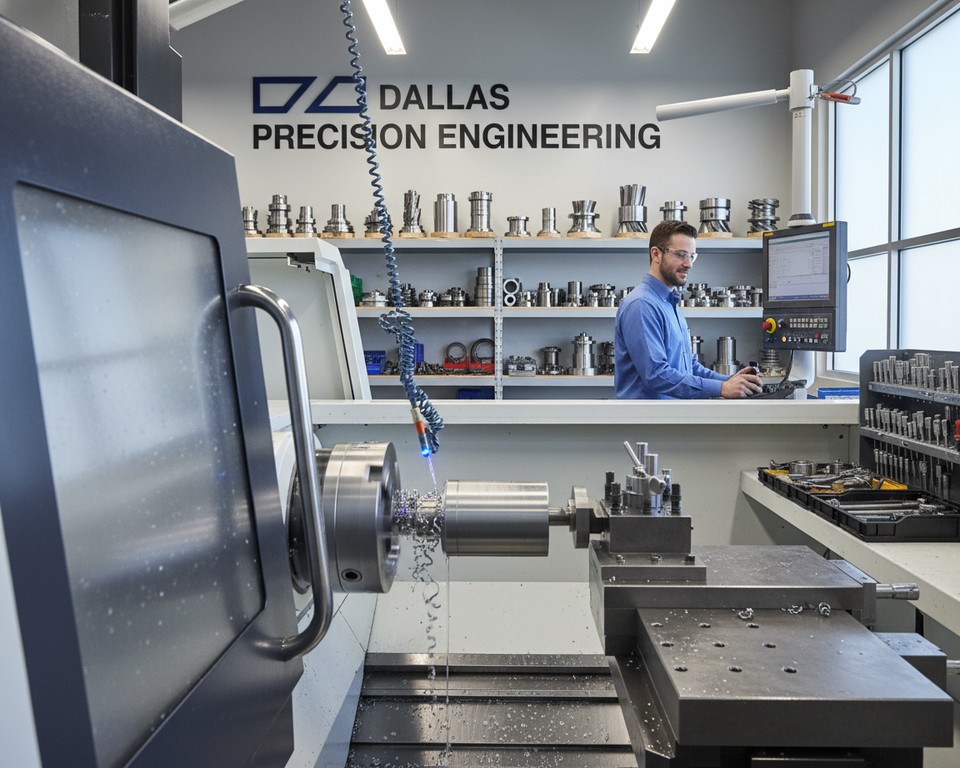
At KZD-CncMmachining.com, you’ll find excels in delivering CNC Precision Machining expertise for a wide range of industry sectors including aerospace, medical, energy, and automotive. It strategically pairs state-of-the-art machining equipment alongside a team of seasoned engineers. Their mission is to transform intricate designs into tangible products. Leading facilities like RAM Tool and WessDel facilities represent top performance through broad capabilities, commitment to ISO-certified quality systems, plus varied equipment built to manage big parts and tight-precision requirements.

Precision CNC machining substantially shortens production cycles, cuts material waste, and improves product consistency. This is achieved through a coordinated mix of CAD/CAM-driven programming, advanced machining centers, plus strict quality-control processes. A dependable CNC machine shop delivers custom CNC machining and contract manufacturing options. It readily transitions from early prototypes to full production volumes, prioritizing thorough inspection plus product traceability at each stage.

At KZD-CncMmachining.com, we focus on a customer-centric approach, exhaustive metrological analysis, plus providing complete start-to-finish solutions. Our capabilities support both unique one-off CNC machining projects and high-volume component production. With the right blend of high-end equipment plus disciplined process control, we ensure consistent, precise results.

Key Highlights

  • KZD-CncMmachining.com is dedicated to CNC precision machining spanning multiple sectors.
  • Advanced equipment like 5-axis machining and horizontal mills improves capability for complex parts.
  • CNC precision machining cuts mistakes and improves repeatability via CAD/CAM workflows and inspection.
  • Tailored CNC machining and scalable machining services cover prototype work through production runs.
  • Quality systems and metrology are essential to achieve strict tolerances and required industry standards.

CNC Precision Machining Services

Digital designs are transformed into precise parts across aerospace, medical, and industrial applications using CNC precision machining. Experts at facilities like RAM Tool and Precision Automation utilize CAD/CAM files for equipment setup. They operate mills, lathes, and CNC routers to produce dies, prototype tooling, and bespoke components. Thorough inspections and punctual deliveries remain central to this workflow.

CNC Precision Machining

Definition And Core Advantages Of CNC Precision Machining

CNC manufacturing moves cutting tools through computer numerical control (CNC), delivering outstanding accuracy. It significantly reduces manual setup, reduces cycle times, and limits errors. Services extend to milling, turning, 5-axis machining, and wire EDM, addressing complex shapes and demanding tolerances efficiently.

Typical Tolerances And Supported Materials

High-precision machining commonly reaches tolerances down to 0.0002 in. on steel and titanium alloys such as Ti-6Al-4V. Typical stainless grades machined include 15-5, 17-4, 304, 316, and 420. The material mix extends from aluminum and zinc used in die casting to durable steels, titanium, and engineered plastics for a range of industrial needs.

How Precision CNC Machining Reduces Errors And Improves Repeatability

CAM programming, robust tool libraries, and automated probing reduce variation, enhancing consistency. Metrology tools, including CMMs and laser scanners increase part-to-part precision. This improved efficiency speeds the progression from prototypes to full-scale production and ensures strict quality control with traceable records.

Complete CNC Machining Services For Custom Parts

Manufacturers often need broad capabilities for rapid production of precision parts. Modern CNC shops blend CNC milling and turning with specialized procedures. This enables prototypes, limited runs, and extensive production volumes. Companies like RAM Tool, WessDel, and Precision Automation facilities show integrated workflows. These enhance design, inspection, and logistics processes for tailored CNC machining ventures.

CNC milling operations handle intricate shapes and prototype builds by using multi-axis mills and broad CAM libraries. Facilities manage aluminum die-cast tooling and complex features such as pockets and ribs. Techniques like laser scanning and reverse engineering strengthen inspection databases. This accelerates alterations and guarantees timelines are met.

CNC turning operations are tailored to cylindrical parts and large-scale shafts. The arrangement of lathe-based cells help maintain uniformity and consistent finishes. Integrating turning with live tooling lets complex components be made in a single cycle. This process cuts processing time overall while minimizing costs in higher-volume production.

EDM and wire EDM techniques provide solutions for intricate designs in tough materials. These technologies produce thin slots, sharp internal angles, and refined profiles beyond the reach of milling. Complementary procedures like heat treating, deburring, and finishing work ensure parts arrive ready for use.

Core Capability Typical Use Customer Value
Multi-axis CNC milling Prototypes, complex contours, die tooling Reduces setups, improves accuracy, and supports tight tolerances
CNC turning with live tooling capability Shafts, bushings, and threaded components Speeds production, combines operations, cuts lead time
Wire EDM and EDM Hard materials, thin features, and mold components Enables intricate shapes, maintains fine detail, preserves hardness
Laser scanning and metrology Reverse engineering, inspection, quality assurance Confirms parts, supports revisions, ensures compliance
Heat treating and finishing Strengthening, corrosion resistance, and final appearance Delivers turnkey parts ready for assembly or end use

Selecting the right CNC machine shop means aligning machinery with your part specs. Seek facilities that amalgamate milling, turning, and EDM alongside inspection and assembly capabilities. This synergy controls lead times effectively. It helps ensure delivered components meet engineering objectives precisely.

Advanced Machining Technology And Equipment

High-performing facilities use a strategic blend, featuring multi-axis platforms, fast machining centers, and robust equipment for demanding designs and tight tolerances. Reliance on trusted brands like Hermle, DMG Mori, OKK, and Mitsubishi machines, underscores a devotion to enhanced productivity and consistency through precision machining operations.

5-Axis And Multi-Axis Machining For Complex Components

Five-axis machining centers help engineers consolidate operations previously done across many setups. Using true 5-axis machining accelerates production of components with deep pockets, angled features, or complex geometry. This approach minimizes manual intervention, abbreviates the production cycle, and preserves geometric accuracy, especially for aerospace and medical devices.

High-Speed Machining Centers And Horizontal Boring Mills

Using high-speed milling techniques results in improved surface quality and diminished lead times for softer materials and composites. Meanwhile, horizontal boring mills improve tool effectiveness while limiting problematic chip interference on substantial segments. Strategically combining high-speed and horizontal equipment improves shop versatility to handle both small intricate pieces and large structural components.

Coordinate Measuring Machines (CMM) And Metrology For Quality Assurance

A complete metrology approach integrates CMM probing, laser checks, and digital summaries for accurate comparison to CAD designs. These capabilities support the stringency of AS9100 and ISO 9001 stipulations. By linking measurement results to process adjustments, a leading CNC shop limits deviation while substantiating adherence to regulatory demands.

Integrating advanced machinery with a strong quality framework significantly reduces rejection rates while accelerating the shift to full production. A smart mix of equipment and precision analysis provides scalable options, from initial prototypes to full-scale manufacturing endeavors.

Industry Applications And Material Expertise

Modern machining is essential for manufacturers to meet strict requirements across industries. Operations like RAM Tool, WessDel, and Precision Automation facilities highlight the importance of specialized methods and strong material expertise for performance optimization. They cater to industries including aerospace, medical, energy, automotive, mining, and heavy industrial equipment.

Aerospace And Defense: Lightweight Alloys And Strict Standards Compliance

Components for aircraft and defense necessitate strict control of weight, strength, and durability. Aluminum alloys and Ti-6Al-4V are commonly machined for airframes, engines, and structural assemblies. Precision CNC machining adheres to tight tolerances while maintaining AS9100 traceability requirements.

Shops such as RAM Tool and WessDel produce parts that endure harsh conditions. They apply processes like surface finishing and heat treatment, key for flight and defense applications. Their custom machining supports the production of both small-scale flight hardware and diverse, accuracy-focused parts.

Medical And Life Sciences: Tight Tolerances And Traceability Requirements

Manufacturing medical device components demands achieving micrometer-level tolerances and maintaining stringent traceability. Using clean-room practices and strong lot control is critical for meeting FDA and ISO 13485 standards. With precision CNC machining, manufacturers can create intricate designs for implants, surgical tools, and diagnostic devices.

Materials often include stainless steels, cobalt-chrome, and titanium alloys. WessDel and similar specialized suppliers underscore the importance of process documentation and serialization. This level of detail ensures compliance plus supply chain integrity, supporting prototypes and regulated production.

Energy, Automotive, Mining, And Industrial Equipment Applications

In the sectors of energy and heavy industry, the need for durable parts from toughened steels and specific alloys is paramount. Machines such as horizontal boring mills is key for producing large-scale components. This machining technology merges efficient material removal with temperature management, yielding consistent outcomes.

Producers in automotive and powersports require short cycle times and consistent quality. Using precision CNC machining, they cut waste and increase efficiency. Precision Automation, for instance, incorporates machining operations internally. This approach supports original equipment manufacturer assembly lines plus robotic subassemblies.

The table below summarizes key differences across industries, typical material choices, and the machining priorities that influence sourcing decisions.

Sector Commonly Used Materials Primary Machining Priorities
Aerospace & Defense Aluminum alloys, Ti-6Al-4V titanium, nickel alloys Tight tolerances, traceability, surface finish, certification
Medical and Life Sciences 316L stainless, cobalt-chrome, titanium Micron tolerances, lot traceability, clean-room processing
Energy & Power Heat-treated steels, Inconel, specialty alloys Large-format machining, heat-treat compatibility, wear resistance
Automotive & Powersports Steel, aluminum, case-hardened alloys High-volume repeatability, cycle time optimization, cost control
Mining & Industrial Equipment Forged steels, wear-resistant alloys Durability, heavy-duty fabrication, large-capacity machining

Opting for suppliers with established expertise in these specific materials minimizes risk. Shops that pair deep material knowledge with proven CNC manufacturing methods deliver more predictable, cost-efficient paths from idea to production. This combination boosts predictability and cost savings in custom CNC machining work.

Quality Systems, Tolerances, And Inspection Processes

Engineering intent becomes reliable parts through robust quality systems and stringent inspection protocols. CNC machining services integrate ISO/industry standards with manual checks. This approach ensures adherence with aerospace, medical, and industrial requirements. Output remains consistent, ensured by clear traceability and meticulous documentation from initial production to full-scale operations.

Frameworks like ISO 9001 and AS9100 enable sustained control and audit capabilities. WessDel follows these standards, helping ensure parts comply with demanding criteria. Precision Automation employs ISO 9001 methodologies alongside CAD/CAM processes. This ensures machinists produce components passing strict inspections.

Inspection methods differ across facilities yet utilize common instruments: coordinate measuring machines (CMMs) for dimensional analysis, laser scanners for intricate geometries, and tailored gauges for assessing fit and functionality. RAM Tool has a dedicated CMM inspection group, and boosts it with laser scanning for reverse engineering and improved quality assurance. These tools are critical for verifying key attributes.

A typical inspection sequence begins with CAD-driven tolerance review, followed by first-article inspection plus CMM verification. Laser scanning may be used to verify complex surfaces and assist reverse engineering. Detailed documentation—serial numbers, operator approvals, and measurement data—ensures traceability.

Tolerance capability depends on the selected material and machining method. In working with stainless steel and titanium, shops like RAM Tool can hold tolerances as tight as 0.0002 inch on select parts. That level of precision highlights the need for careful setups, reliable tooling, and skilled personnel inside a dedicated CNC manufacturing operation.

Choosing a partner with strong metrology, documented procedures, and skilled technicians is essential for high-quality CNC machining outcomes. A well-run CNC machine shop builds thorough inspection into production, so parts ship with verified compliance and consistent function.

From Prototype To Production: Contract Manufacturing And Turnkey Solutions

Turning a concept into a real product requires a blend of expertise in prototype tooling, swift modifications, and extensive machining. Companies like RAM Tool and WessDel illustrate how laser scanning and reverse engineering speed prototype development. Precision Automation demonstrates the integration of in-house machining facilities and assembly lines for delivering complete systems, with strict ISO 9001 compliance.

Prototype tooling and reverse engineering services

Beginning with rapid fixture creation and targeted heat-treat or surface enhancements, prototype tooling builds the foundation. Using laser scanning, teams can capture dimensions of existing components for reverse engineering, avoiding lengthy CAD redesigns. This technique notably shortens the iteration phase, ensuring an optimized fit and maintaining high-quality parts.

Scalable contract manufacturing services

Contract manufacturing covers the range from low-volume lots for validation to high-volume production for launch. At every stage, custom CNC machining can shift from one-off work to automated cell layouts. When production scales up, CNC services adjust programming, tooling setup, and inspection as needed.

Subassembly, wiring, and machine rebuilding

Full turnkey solutions commonly include subassembly, automated panel wiring, and complete machine rebuilds. These subassembly steps reduce the assembly burden on customers. Rebuilding and updating machines extends operational life and reduces capital expense while supporting reliable production uptime.

Capability Typical Services Value to Customers
Prototype Tooling Services Rapid fixtures, soft jigs, small-batch molds Speedier validation, lower upfront costs
Reverse engineering Laser scanning, CAD recreation, fit-check validation Recreate legacy parts, reduce redesign time
Custom CNC machining 5-axis milling, turning, precision finishes High accuracy, repeatable production
Contract Manufacturing Low- to high-volume production, kitting, logistics Scale without capital expansion
Subassembly & Wiring Automated panel wiring, functional test Plug-and-play delivery and less assembly time
Machine Rebuilding Services Spindle refurbishment, control retrofits Extended equipment life, better performance

Choosing a capable partner with broad CNC manufacturing capabilities reduces handoffs and speeds timelines. Integrating design-for-manufacture insight and comprehensive CNC machining services into one contract manufacturing model improves accountability. This supports faster time-to-market for new products.

Choosing A CNC Machine Shop: What To Look For In A Partner

Selecting the right precision machining partner matters. A leading CNC machine shop brings together deep technical expertise, advanced equipment, and reliable customer service. Prioritize finding a partner with proven quality systems, transparent capacity and capability, plus demonstrable experience in your sector.

Technical Expertise, Experienced Machinists, And Engineering Support Services

Make sure the shop staffs experienced machinists who know CAD/CAM tools, backed by engineering support. Working together on design improves manufacturability, minimizes errors, and speeds project completion. Request details on their experience with intricate CNC machined parts and request references from comparable work.

Facility Scale, Machine Brands, And Capacity Considerations

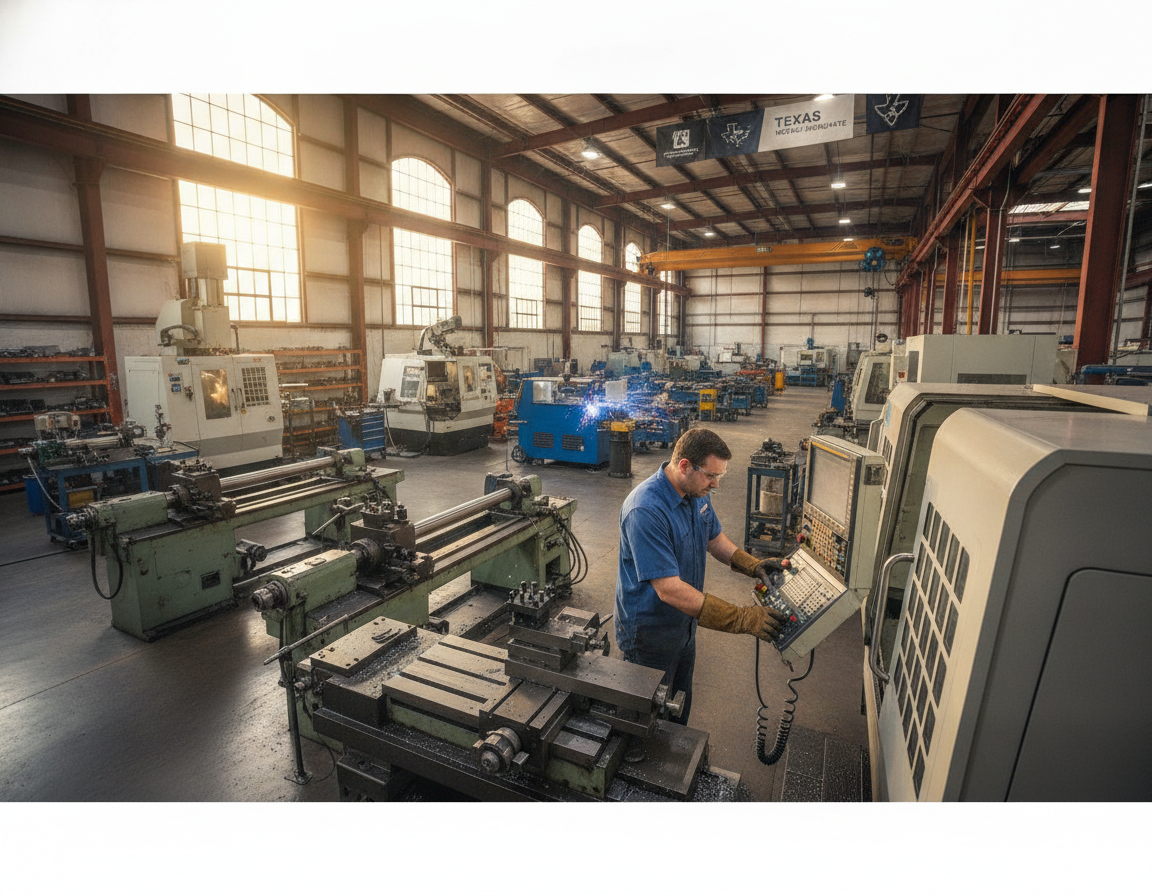
Review the shop’s floor space, its lifting and heavy-load capacity, and the diversity of its machinery. Large facilities with advanced 5-axis centers, multiple CNC stations, and strong lifting equipment are able to take on large, complex projects. Select facilities demonstrating commitment to excellence through trusted brands including Hermle, DMG Mori, OKK, and Mitsubishi, helping ensure steady precision in CNC machining operations.

Customer Service, On-Time Delivery, And Industry-Specific Experience Factors

Look for shops with ISO or AS9100 certification when projects demand strict traceability. Shops that have demonstrated punctuality in delivery and offer comprehensive CNC machining solutions streamline operations, cutting transition time and oversight. Choose a partner offering in-house inspection, CMM verification, and supporting processes for optimal quality management and efficiency.

Checklist:

  • Documented quality systems (ISO, AS9100)
  • Machine list including 5-axis and horizontal capability
  • Evidence of precision CNC machining and CNC machining services
  • References from your sector and on-time delivery performance
  • In-house inspection, assembly, and turnkey options

Conclusion

Top-tier shops meld large facilities, skilled teams, and advanced machinery to keep CNC Precision Machining dependable across many sectors. From prototyping driven by CAD/CAM to bulk production, precision machining cuts errors and accelerates readiness. A strong CNC machine shop integrates milling, turning, and EDM. It executes rigorous inspection to satisfy demanding standards across aerospace, medical, and energy industries.

Adherence to ISO 9001 and AS9100 standards, along with expertise in 5-axis machining and metrology shows a partner can manage tight tolerances and traceability needs. Custom CNC machining improves when engineers and machinists collaborate early to refine designs for manufacturability, ensuring uniform quality. Turnkey integration plus in-house CNC manufacturing capability abbreviate lead times and mitigate risks by centralizing operations.

For U.S. businesses seeking dependable output, partner selection should be based on measurable inspection capability, documented procedures, and a proven record producing complex components. An ideal CNC shop aligns technology, staff, and process excellence. This harmonization lays the groundwork for proficient CNC Precision Machining and sustained supply dependability.

Categories
Manufacturing

Engineering Support From Aluminum CNC Services

Precision Engineering Solutions: CNC Precision Machined Parts

Roughly 70% of contemporary mission-critical assemblies require stringent tolerances to meet safety/quality and functional targets, a reminder of how small variances change outcomes.

High-accuracy CNC titanium manufacturing boosts product reliability and service life across automotive, healthcare, aerospace, and electronics applications. It provides repeatable fits, accelerated assembly, and fewer do-overs for assembly/test teams.

This section presents UYEE-Rapidprototype.com as a partner focused on satisfying rigorous requirements for regulated sectors. Its workflows integrate CAD with CAM, reliable programming, and disciplined systems to control variability and speed time to market.

US buyers can use this guide to evaluate options, set clear requirements, and choose capabilities that match projects, cost targets, and timelines. Expect a practical roadmap that covers specifications and tolerances, equipment and processes, material choices and finishing, sector examples, and pricing drivers.

CNC titanium machining

  • Precision and repeatability improve reliability and lower defects.
  • Digital workflows like CAD/CAM drive repeatable manufacturing performance.
  • UYEE-Rapidprototype.com presents itself as a capable partner for US buyers.
  • Explicit, measurable requirements align capabilities to budget and schedule goals.
  • Optimized processes cut waste, accelerate assembly, and lower total cost of ownership.

Buyer’s Guide Overview for CNC Precision Machined Parts in the United States

US manufacturers require suppliers providing reliable accuracy, repeatability, and dependable lead times. Teams need clear schedules and parts that pass acceptance so assembly and testing stay on track.

Top needs today: precision, consistency, dependable timing

Key priorities include tight tolerances, consistent batch-to-batch repeatability, and lead times resilient to demand changes. Strong quality practices and a controlled system reduce variance and build confidence in downstream assembly.

  • Accuracy aligned to drawing/function.
  • Repeatability across lots that reduces inspection risk.
  • Predictable lead times and open communication.

How UYEE-Rapidprototype.com supports precision engineering projects

The team provides timely quotes, DFM feedback, and buyer-aligned scheduling. Workflows leverage validated machining services and stable programming to minimize schedule slips and rework.

Bar-fed cells and lights-out automation support scalable output with shorter cycles and stable precision when volume ramps. Up-front alignment on drawings/FAI maintains inspection/sign-off timing.

Capability Buyer Benefit When to Specify
Validated machining services Lower defect rates, predictable yield High-risk assemblies and regulated projects
Lights-out automation Shorter cycle times, stable runs Large or variable volume production
Responsive quotes and scheduling Faster time-to-market, fewer surprises Fast-turn prototypes and tight timelines

Selection Criteria & Key Specifications for CNC Precision Machined Parts

Clear, measurable criteria translate prints into reliable results.

Tolerances, surface finish, and repeatability benchmarks

Set precision machining tolerance goals for key features. Up to ±0.001 in (±0.025 mm) are attainable when machine capability/capacity, fixturing, and temperature control are proven.

Tie finish to functional need. Use grinding, deburring, and polishing to reach Ra ranges (Ra ~3.2 to 0.8 μm) for sealing or low-friction surfaces on a part.

Sizing equipment to volume

Align equipment/workflows to volume. For repeat high-volume runs, consider 24/7 lights-out cells and bar-fed setups to maintain steady throughput and changeovers fast.

Quality controls and in-process checks

Require documented acceptance criteria, GD&T callouts, and first-article inspections. In-process checks detect drift early and maintain repeatability during production.

  • Use CAD/CAM simulation to refine toolpaths and limit rounding error.
  • Confirm ISO/AS certifications and metrology.
  • Document sampling and control plans for end use.

UYEE-Rapidprototype.com evaluates drawings against these targets and suggests measurable requirements to minimize sourcing risk. This stabilizes production and improves OTD.

Precision-Driving Processes & Capabilities

Integrating 5-axis, live tooling, and finishing lets shops deliver production-ready components with reduced setups and reduced part handling.

Multi-axis for fewer setups

Five-axis systems with automatic tool change handles five sides in one setup for complex geometry. Vertical and horizontal centers enable drilling with efficient chip evacuation. Result: fewer re-clamps, better feature accuracy.

Turning/Swiss for small precise work

CNC turning with live tools can turn, mill cross holes, and add flats without secondary ops. Swiss-type turning suits for slender/small parts in volume runs with tight concentricity.

EDM / Waterjet / Plasma & finishing

Wire EDM shapes hard metals and fine forms. Waterjet avoids HAZ for sensitive materials, and plasma offers fine cutting for conductive metals. Final grinding, polishing, blasting, and passivation tune surface and corrosion resistance.

Capability Best Use Buyer Benefit
5-axis with ATC Complex features on many faces Reduced setups, faster cycles
Live-tool turning / Swiss Small complex runs Volume cost savings, tight runout
Non-traditional cutting Hard or heat-sensitive shapes Accurate contours, less rework

The UYEE-Rapidprototype.com team pairs these capabilities and process controls with rigorous maintenance to preserve consistency and timing.

Choosing Materials for Precision

Choosing the right material determines whether a aluminum CNC service design meets performance, cost, and schedule targets. Early selection cuts iterations and synchronizes manufacturing and performance needs.

Metals: strength/corrosion/thermal

Common metals include Aluminum 6061/7075/2024, steels such as 1018 and 4140, stainless 304/316/17-4, Titanium Ti-6Al-4V, copper alloys, Inconel 718, and Monel 400.

Balance strength-to-weight with corrosion response to fit the application. Apply rigid workholding with thermal control to hold tight accuracy when cutting heat-resistant alloys.

Engineering polymers: when and why

ABS, PC, POM/Acetal, Nylon, PTFE (filled/unfilled), PEEK, PMMA fit numerous applications from housings to high-temperature seals.

Polymers are heat sensitive. Slower feeds and conservative spindle speeds preserve dimensions and finish on the part.

  • Compare metals on strength/corrosion/cost to select the right class.
  • Match tooling/feeds to Titanium and Inconel to remove material cleanly and increase tool life.
  • Use plastics for low-friction or chemical-resistant components, adjusting to prevent distortion.
Class Best Use Buyer Tip
Aluminum/Brass Light housings with good machinability Fast cycles; verify temper/finish
Steels/Stainless Structural, corrosion resistance Plan thermal control/hardening
Ti & Inconel High strength, extreme environments Expect slower feeds, higher tool cost

The team helps specify materials and test coupons, document callouts (temp range, coatings, hardness), and match equipment/tooling to chosen materials. That guidance shortens validation and lowers redesign risk.

Precision Parts via CNC

Good CAD and optimized toolpaths cut iteration time and preserve tolerances.

The team converts CAD to CAM that produce optimized G/M code with simulated toolpaths. That workflow reduces rounding errors and lowers cycle time while keeping accuracy tight on the workpiece.

Design-for-Manufacture: toolpaths and fixturing

Simplify features, pick stable datums, and align tolerances to function so inspection stays efficient. CAM-driven toolpath strategy and cutter selection reduce non-cut time and tool wear.

Employ rigid holders, robust fixturing, and ATC to reduce changeover time. Early collaboration on threaded features, thin walls, deep pockets prevents tool deflection and surface finish issues.

Sectors served: aerospace, auto, medical, electronics

Applications range from aerospace structural components and turbine blades to automotive engine items, medical implants, and electronics heat sinks. Every sector demands distinct cleanliness and traceability.

Cost levers: cycle time, material utilization, and reduced waste

Optimized milling, chip control, and plate nesting reduce scrap and material spend. Planning from prototype to production keeps fixtures/machines consistent to maintain repeatability during scale-up.

Focus Buyer Benefit When to Specify
DFM-led design Faster approvals, fewer revisions Quote stage
CAM toolpath & tooling Lower cycle time, higher quality Pre-production
Nesting and bar yield Waste reduction and lower cost Production runs

UYEE-Rapidprototype.com acts as a DFM partner, providing CAD/CAM optimization, fixture guidance, and transparent costs from prototype through production. Such discipline maintains predictability from RFQ through FAI.

Wrapping Up

Conclusion

Consistent control of tolerances and workflows converts design intent into repeatable results for high-demand sectors. Disciplined machining with robust controls and the right equipment mix enable repeatable critical part production across aerospace, medical, automotive, and electronics markets.

Proven capability plus clear requirements, validated by data-driven inspection, protects quality and schedule/cost goals. Advanced milling/turning with EDM, waterjet, and finishing—often combined—cover broad part families and complexities.

Material selection from Aluminum alloys and stainless grades to high-performance polymers should match function, cost, and lead time. Careful tooling, stable fixturing, validated programs lower cycle and variation so every part meets spec.

Submit CAD/drawings for DFM review, tolerance checks, and a prototype-to-production plan. Reach out to UYEE-Rapidprototype.com for consults, custom quotes, and services aligning inspection/sampling/acceptance with business goals.

Categories
Manufacturing

Fiber Coloring Machine Selection Guide For New Factories
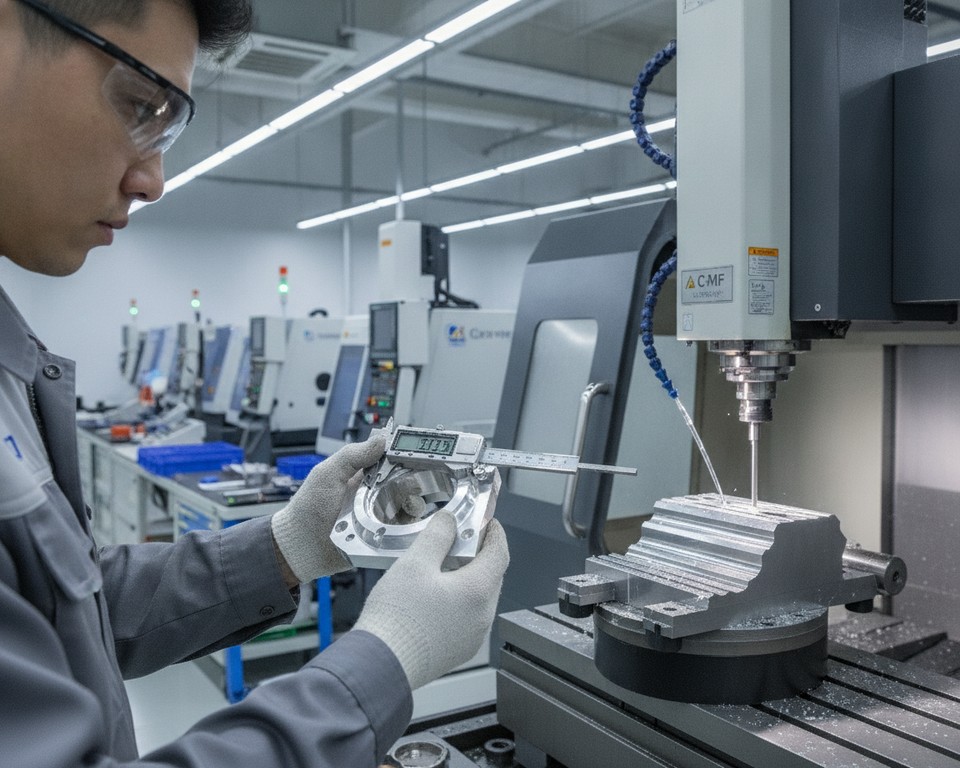
High-Speed Fiber Coloring Machine Solutions

Over 60% of FTTH production lines now embrace automated marking and dyeing to meet throughput targets. Yet, numerous manufacturers underestimate the benefits of high-speed fiber coloring machines. These machines enhance throughput and ensure repeatable quality.

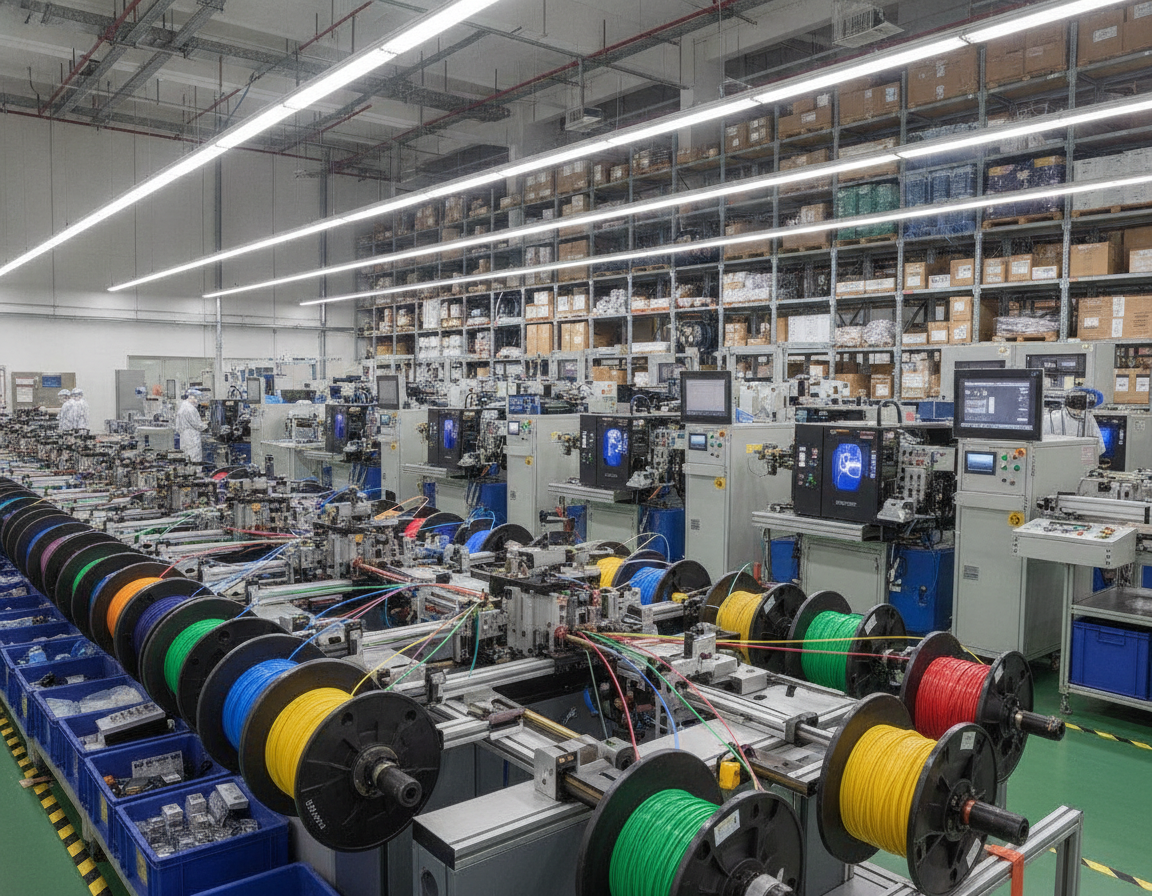
In this article, we explore industrial fiber secondary coating line solutions for optical fiber and textile lines. It explores the integration of a fiber coloring or dye machine within a draw-to-coat workflow and FTTH cable production line. Expect insights on how fast dyeing improves color coding, reduces manual handling, and enables inline proof tests.

Leading suppliers offer expert production technology training for customer teams. With R&D support, systems are tailored to exact requirements. Notably, reputable companies guarantee a 100% inspection rate before shipping their products. Standard commercial practices apply, such as T/T and L/C payments.

Industry norms include a one-year warranty starting at installation. Coverage includes parts replacement for manufacturing defects. Travel and lodging for on-site support are typically buyer expenses. Standard packing uses PVC film for main machines and wooden cases for auxiliaries. Special packaging options are also available upon request.

Key Takeaways

  • Integrating high-speed coloring machines improves throughput and consistency across FTTH/textile lines.
  • Industrial fiber coloration system suppliers provide training, custom R&D, and full inspection before shipping.
  • Fiber dye machines improve inline proof tests and reduce manual spool handling.
  • Common payment methods include T/T and L/C; warranty typically begins at installation for one year.
  • Standard packing = PVC film + wooden crates; custom packing on request.

Fiber coloring machine

High-Speed Fiber Coloring: An Overview

High-speed systems keep colors consistent while protecting strength and clarity. They run at draw/coating speeds to prevent bottlenecks. Manufacturers focus on maintaining color accuracy, automating quality checks, and reducing manual spool handling. The result fits telecom and textile requirements.

High-Speed Fiber Coloring: Core Traits

A genuine high-speed unit deposits ink with precision at high line speed. It keeps precise control over marking width, contrast, and adhesion. This ensures optical loss and mechanical properties are not degraded. The system features include the use of solvent- and UV-curable inks, precise feed control, and efficient curing stages for optimal operation.

Speed, Accuracy & Uptime Benchmarks

Performance targets vary by use case. Single-line marking systems reach speeds up to 3,000 m/min for basic codes. Whereas ribbon coloring aims for 1,000 m/min, with accurate color codes and low waste. Focus on registration precision, color consistency, and the ability to repeat these results over long periods is critical.

Higher uptime is achieved through automation, like automated spool handling and real-time testing. These innovations reduce the need for manual checks and spool changes. Modular designs and predictive maintenance reduce downtime. This results in consistent production levels.

Applications in Optical & Textile Lines

Optical fibers use these systems for tasks such as FTTH cable marking, FTTH cable production line, telecom color coding, and ribbon marking. They integrate with draw/coating to keep flow continuous. Inline tests ensure every segment meets strength/clarity specs.

Textile know-how helps improve dye control, slash waste, and save energy. Lessons from yarn and fabric dyeing have led to better fluid management, automatic mix adjustments, and sustainable operations. This cross-industry learning shortens processing times and improves quality in both fields.

Metric Optical Example Textile Analog
Typical top speed Up to 3,000 m/min for single-line marking High-speed yarn dyeing lines up to 1,000 m/min equivalent throughput
Accuracy Registration within ±0.5 mm, stable color-code fidelity Consistent color repeatability across batches
Uptime drivers Automatic reel handling, inline proof testing Automated dye dosing and closed-loop quality control
Integration point Seamless connection to fiber draw tower and coating lines Integration with dyeing baths and finishing lines for minimal handling
Sustainability gains Reduced scrap, solvent recovery, LED curing options Lower water and chemical use via precision dosing

Fiber Coloring Machine Overview

Fiber coloring machines apply durable color codes to optical/industrial fibers. Precision applicators, fast curing, tension control, and smart sensors are used. This process delivers efficient production. It integrates cleanly with draw/coating lines. It also connects to inline tests and automation for streamlined flow.

The applicator or marking head lays down UV inks or liquid dyes accurately. LED or focused UV cures inks immediately. Fibers keep moving at speed without delay. Transport guidance and tension control systems preserve the fiber’s shape while it is being marked. Pumps/filters feed from reservoirs/tanks consistently. A PLC and HMI simplify control, allowing for quick changes and adjustments. Sensors verify placement so every mark meets spec.

Coordinated Operation

Sensor feedback times deposits to fiber motion. The curing process instantly sets the ink, preparing it for further handling. Sensors then gauge color intensity and accuracy. On error, the system flags or rejects the affected segment. Ink, speed, and curing remain synchronized to keep quality high.

Upstream/Downstream Compatibility

These modules fit effortlessly behind a fiber draw tower or along a secondary coating line. Mounting kits fit different fiber types. It adapts to tight-buffer or loose-tube formats. It can handle different coatings, offering a range of profiles. Compatibility exists with equipment from Sumitomo, Furukawa, Corning. The result is seamless integration for plants.

Integrated Testing & Automation

Directly after marking, inline proof testers check the fiber’s physical and optical quality. Defects feed back instantly for corrective action. It ties into automated dyeing and spool handling to reduce manual work. Integrated flow significantly cuts downtime. Coloring, testing, spooling run in sync for peak efficiency.

Function Module Typical Benefit
Mark application Applicator / Marking head Precise placement; repeatable patterns at line speed
Ink supply Modular ink tanks and pumps Continuous feed; reduced changeover time
Curing LED or UV lamp system Fast hardening; lower energy use with LED
Fiber handling Tension control and guides Stable geometry; fewer marking defects
Quality assurance Registration sensors and inline cameras Real-time inspection; automatic rejects
Control PLC / HMI with data logging Recipe recall; production traceability
Line integration Mounting kits for fiber draw tower and coating lines Smooth inline fit; supports tight buffering
Automation Interfaces for RHS and proof testers Reduced manual handling; integrated traceability

Advanced fiber dyeing technology for optical fibers

High-speed lines require precise marking and fast curing. Modern dye tech gives durable marks with minimal performance impact. These techniques improve adhesion and consistency for single fibers and fiber ribbons.

UV-Curable Inks & LED Curing Advantages

UV-curable inks cure quickly and produce durable, high-resolution marks. Marks remain intact through cabling/connectorization with abrasion resistance.

LED curing uses less power than mercury UV. It produces less heat, lengthens lamp life, and reduces noise, benefiting spool layout efficiency. These features make LED technology a greener choice for non-stop production.

Color Codes on Multi-Fiber/Ribbon Lines

Color codes simplify fiber and cable identification. Technologies range from simple single-line markers to advanced systems for organizing multi-fiber setups, such as those with six or 12 fibers.

Consistent color aids splicing/testing for faster installs. Good coding reduces handling time and field errors.

GFP Series: Speed Reference

GFP systems are optimized for fast optical cable marking. Single-line units reach 3,000 m/min for continuous work. The series also includes options designed for ribbons and bundled cables, reaching up to 1,280 m/min.

With inline proof tests, GFP supports buffering/verification add-ons. It adapts marking capacity without full line changes.

Automated dyeing equipment and handling systems

Modern automated dyeing combines Fiber coloring machine coloring and efficient handling. Integration speeds application→cure→test. It significantly cuts downtime. It also reduces manual work by linking stages in one flow.

Auto Reel Handling

Nextrom’s RHS eliminates frequent manual take-up changes. Operators avoid ~24 spool swaps/shift. By automating this process, it reduces the monotony of repetitive tasks and improves machine efficiency.

Automated proof test break recovery

Automated break recovery streamlines re-threading. Originally, manual re-threading was a common task, occurring up to four times per shift. Automation cuts downtime and keeps production continuous.

Labor, Error & Safety Gains

Advances save labor by reducing spool changes and re-threading. Less handling lowers damage risk and scrap. Fewer manual steps also reduce noise exposure and injury risk, improving shop safety.

Measure Manual Process Automated Result
Take-up reel changes per shift ~24 changes (every 20 minutes) 0 changes with RHS Eliminates 24 interruptions; higher uptime
Payoff spool changes Baseline Reduced by 50% Less operator time; smoother feeding
Proof test break events per 1,000 km 2–6 breaks (~4/shift) Automated recovery for all breaks Faster restart; fewer manual interventions
Ink tank run length Typical shorter cycles Up to 1,000 km per acrylate tank Lower consumable swaps; reduced maintenance
Noise and operator exposure Higher; frequent handling Reduced by optimized spools and LED curing Quieter environment; less PPE required

High-speed fiber ribbon line and ribbon production methods

The modern fiber ribbon line combines coated fibers into a unified, flat ribbon. It precisely controls geometry and attenuation. Key enablers include precision alignment, controlled glue, and fast curing. Production flows smoothly without sacrificing quality. Ribbon formation, FRP 05 style lines, and inline proof testing are pivotal in high-throughput settings.

Ribbon creation begins with exact spacing and placement. Machines dispense a slim polymer bead to bond fibers, while tensioning systems counteract micro-bends. Quick-drying stations solidify the adhesive, allowing ribbons to move at line speed. Controlled glue keeps optical quality and eases downstream steps.

FRP 05 style lines are ideal for large-scale production. They can craft ribbons with up to 24 fibers at speeds reaching 1,000 m/min. They unite precise tension, accurate ferrules, and synced capstans. Fiber pitch/alignment stay consistent across the process. The FRP 05 line, therefore, is a dependable solution for central-office and FTTH ribbon supply networks.

Inline proof testing confirms ribbon quality. Test heads check tensile/continuity immediately post-formation. Should they detect any weakness or breakage, the system either discards the flawed segment or adjusts automatically. This immediate feedback minimizes waste and prevents faulty ribbons from progressing to cable assembly.

Ribbon lines can also incorporate integrated marking and color coding. IDs survive later processing. Together, coding + proof tests improve traceability and QC. For entities aiming at high output and efficiency, syncing glueing, formation, and testing offers clear benefits.

Stage Function Typical Performance Metric
Fiber alignment Arrange coated fibers to target pitch and flatness ±5 µm registration
Glue application Deposit controlled adhesive bead without excess 50–150 µm bead width
Curing Rapid hardening to lock ribbon form UV or thermal cure in
FRP 05 ribbon formation High-throughput assembly for up to 24 fibers Up to 1,000 m/min production speed
Inline proof testing Detect weak bonds, breaks, and tensile issues Immediate reject/feedback within 0.5 s
Marking and coding Apply ID that withstands ribbon processing Permanent color codes per fiber

Integration: Draw Tower & FTTH Line

Coloring modules require correct placement away from the glass to avoid affecting the cladding. This is usually achieved by installing the unit post-primary coating or within the secondary coating phases of a draw-to-coat process. This keeps marks on the exterior and preserves optical quality.

Workflow Fit

Modules tie into coaters so ink cures on the polymer layer. This setup keeps output consistency from the fiber draw tower and uses inline UV or LED light for immediate curing. The approach ensures precise color identification while preventing damage that could hinder performance.

Upstream/Downstream Interfaces

Integration uses mechanical couplings, tension control, and synced protocols. They align speed and share status seamlessly. This harmonization between the draw tower and later stages like ribbonizing ensures efficiency. Inline tests and marking adjustments provide direct feedback, optimizing production and reducing waste.

Throughput Gains & Downtime Cuts

GFP markers run at ~3,000 m/min to meet high demand. RHS and fast break recovery significantly cut downtime. These advancements lead to notable efficiency boosts in FTTH cable production lines, lowering stoppages in extended operation periods.

Industrial fiber coloration system maintenance and warranty considerations

Peak performance depends on clear warranty, solid service, and proper shipping. Pre-shipment agreement on inspection/acceptance/installation is essential.

Coverage

Typically, a one-year warranty starts from the system’s installation at the buyer’s location. This warranty mainly includes replacing parts with manufacturing defects. However, it excludes parts damaged due to misuse, normal wear, or external factors, putting the cost on the buyer.

Service & Training

Service support includes deploying onsite technicians and providing training through seasoned engineers. Renowned suppliers, including Siemens and Rockwell Automation, run comprehensive training programs. They also ensure technician availability for setup and routine checks.

R&D-led customization for special lines is common. Vendors inspect pre-shipment and include spares kits to limit downtime. Travel/lodging and certain transport costs are typically buyer responsibilities.

Parts Policy

New systems ship with spares kits (included or optional). During warranty, defective parts are replaced by the vendor. Out-of-warranty repairs require clear pricing and timelines.

Area Supplier Role Buyer Role Notes
Warranty period Provide one-year coverage from installation Request documentation and schedule acceptance test Start date tied to factory acceptance or onsite commissioning
Service support Deploy on-site technicians and offer training Cover technician travel, accommodation, and local transport Remote support may reduce on-site visits
Spare parts Supply spare parts packages and fast replacements under warranty Maintain inventory and order consumables as needed Agree lead times and pricing for out-of-warranty parts
Packing & shipping Use PVC film for main machines and wooden cases for auxiliary parts; offer custom packing Specify special packing needs and handle customs Custom packing may add cost but protects equipment during transit
Installation & acceptance Provide assembly, alignment, and commissioning support per contract Prepare site, utilities, and local labor; sign joint acceptance tests Joint acceptance validates performance against agreed specs

Packing/Shipping/Installation

Standard packing: PVC film for main units, wooden cases for auxiliaries. For fragile or distant shipments, suppliers offer custom packing. Clearly defined unpacking, assembly, and commissioning roles prevent delivery misunderstandings.

Thorough inspections before shipment and factory acceptance testing limit onsite issues. Post-install joint tests verify performance and start warranty. Defined roles for packing and installation streamline the transition, minimizing downtime.

Energy efficiency and sustainability in fiber coloring

Modern fiber coloring lines aim to cut running costs while meeting strict environmental targets. Upgrades in curing/spools/consumables improve efficiency and comfort. The result: quieter, cleaner, more productive floors.

LED Curing Benefits

LED curing significantly cuts power consumption compared to traditional UV lamps. Less heat stabilizes temperatures and reduces stress on downstream gear. Furthermore, LED modules last longer than mercury lamps, which diminishes the need for frequent replacements and cuts waste.

Power/Noise-Reducing Designs

Improved spools/transport lower motor load. At ~3,000 m/min, advanced spools can cut >50% power and >10 dB noise. They lower energy draw and reduce the need for heavy hearing protection.

Materials management: longer-lasting ink tanks and reduced waste

Advanced systems run longer on one acrylate tank. Up to ~1,000 km/tank reduces changeovers and waste. Fewer swaps/maintenance mean less downtime and fewer spare parts.

Automation underpins sustainability. It minimizes human error through automated controls and proofing, which cuts down scrap rates. Coupled with LED curing and efficient spools, these measures create a smaller carbon footprint and significant cost savings over the long term.

Textile Dyeing Crossover: Lessons

Textile dyeing teaches control and repeatability for fiber coloring. Modern textile methods stress closed-loop dosing and inline checks. The result is less waste and steadier quality.

Shared Principles with Yarn/Fabric Dyeing

Yarn dyeing shows the need for precise metering, tension control, and stable geometry. Implementing these controls on optical fiber delivers uniform dye application and steady dye absorption.

Similarly, fabric dyeing machinery leverages step-by-step processes and recipe management to achieve consistent color. Adopting this approach for fiber coloring improves product yield and minimizes the need for rework during extended production periods.

Automation and Quality Monitoring

Plants use closed-loop metering and spectrophotometry for shade accuracy. Adapted to fiber, they hold coat weight and reduce drift.

Inline quality control often employs rapid spectrometers and camera-based systems for precise adjustments. They catch deviations and drive real-time automated corrections.

Adapting textile coloring solutions to optical and industrial fibers

Fibers require ultra-clean handling, precise curing, and tight tension control. Elements like recipe servers, automated ink management, and detailed process analytics from textile coloring are adapted and scaled down for fiber lines. Tuned for low volumes, they ensure clean, efficient operations.

Integrating software-driven controls, real-time analytics, and proven ink management practices, manufacturers can significantly reduce material waste. They improve sustainability and protect performance.

Feature Textile Benefit Fiber Adaptation
Closed-loop dosing Consistent shade across lots Maintains coat weight; integrates with automated dye control
Tension & geometry control Uniform penetration and hand Protects fiber integrity; reduces microbends
Inline spectrophotometry Rapid pass/fail color checks Detects mark variance without damaging fiber
Recipe management Fast changeovers, fewer errors Quicker recipe swaps for different fiber IDs
Ink handling systems Lower waste, safer storage Low-contamination delivery systems for sensitive optics

Purchasing & Payment Terms

Key purchase factors: price, lead time, support. Early in the purchasing process of fiber coloring machines, set clear payment terms. Vet credentials and align on training/testing expectations.

Payment methods often include T/T and L/C options. Determine if the supplier allows full T/T payments, tiered T/T based on progress, or uses L/C at shipment. Clarify the preferred currency, any bank fees involved, and who’s responsible for amendment charges.

For selecting a supplier, evaluate the company’s history, growth milestones, and client feedback. A common path: wire/cable in 2005, optical by 2006. Assess their longevity and breadth of international installs to measure their reliability.

Create a scorecard for competing quotes. Include warranty, packing/shipping, and installation roles. Insist on documented testing and maintenance agreements before making a commitment.

  • Training: What on-site training is included and who pays travel and lodging for engineers?
  • Customization: Can the supplier produce engineering drawings and tailor designs for special requirements?
  • Inspection: Clarify pre-shipment inspection and witness FAT options
Procurement Item Buyer Task Supplier Detail
Payment terms Negotiate schedule Acceptable methods: T/T, L/C; milestone triggers; bank fee responsibility
Warranty Obtain written clause Coverage period, excluded parts, on-site cost responsibilities
Installation & training Set scope and dates Included hours, trainer qualifications, buyer travel costs
Spare parts & consumables Request kit list Recommended packages, lead times for ink tanks and applicators
Acceptance testing Define tests Witness options, documented results, remediation steps

Before final selection, check references and review past projects. Ensuring clear payment arrangements, straightforward warranty terms, and proven supplier competency reduces risks. It also supports a smooth setup phase.

Conclusion

Advancements in fiber coloring technology synergize with LED/UV curing and precise draw tower and coating line integration, enhancing throughput and color fidelity. They enable marking at thousands of meters per minute. They prove particularly effective in applications ranging from Fiber To The Home (FTTH) to industrial use. Net result: shorter cycles and less waste.

Automation is pivotal. Automation combines dyeing, reel handling, and break recovery. It reduces spool changes and manual steps. Consequently, this boost in efficiency leads to less downtime, minimized errors, and a noticeable cut in labor expenses. A complete package—training, spares, warranty—reduces lifecycle risk.

Design upgrades bring sustainability and cost benefits. Use of LED curing technology, efficient spool layouts, and durable ink tanks reduces energy consumption, noise, and material usage. Through standardizing payment methods like T/T or L/C and insisting on thorough pre-shipment inspections, operators ensure consistent machine performance. Strategically, it improves long-term ROI for fiber coloring assets.

Categories
Manufacturing

Exploring Noninvasive Techniques Enabled by AMT Endoscopy

Endoscopy in Singapore by AMT: Advanced Care.

Today, more than 40% of advanced endoscopic devices across Southeast Asia incorporate precision components produced via Metal Injection Molding (MIM). This boosts safe, speedy procedures across the area.

Here’s how AMT in Singapore leads endoscopy with a blend of clinical expertise and high-tech manufacturing. They use Metal Injection Molding (MIM), assemble in a 100K cleanroom, and use ETO sterilization. This all helps in making single-use devices and sterile packaging for endoscopy by AMT.

Endoscopy centers in Singapore are seeing significant benefits. Improved imaging, miniaturized optics, and strong training programs lead the way. For patients, that means minimally invasive diagnostics and therapies, shorter sedation times, and faster recovery.

AMT’s work also helps solve bigger problems like costs, the need for specialist doctors, and meeting rules across the area. This article outlines how AMT’s endoscopy capabilities support clinicians and patients alike. Focus areas include access, safety, and cost reduction.

Important Discoveries

  • Endoscopy by AMT combines MIM manufacturing with cleanroom assembly and ETO sterilization for reliable components.
  • AMT endoscopy supports high-definition, minimally invasive procedures that improve patient recovery.
  • Singapore centers use AMT components to improve workflows and device safety.
  • Advanced devices reduce sedation and enable diagnostic-plus-therapeutic procedures in one session.
  • Costs, specialist training, and regulation influence access to AMT-enabled endoscopy services in the region.

About Endoscopy and AMT’s Role

Endoscopy is a way doctors can look inside the body without big cuts. They use tiny cameras on flexible or rigid scopes. This approach enables visualization, diagnosis, and treatment in a single session. It cuts down on recovery time and avoids big surgeries.

AMT - endoscopy

Definition and purpose of endoscopy

Doctors use endoscopy to check out areas like the stomach, lungs, and kidneys. Biopsies, polyp removal, and targeted therapy can occur with minimal incisions. This means patients don’t need heavy sedation, can leave the hospital sooner, and get back to life quicker.

AMT’s Tech-Driven Endoscopy Support

AMT manufactures precision parts that enhance endoscope performance. Using MIM and cleanroom assembly meets stringent standards. Components such as biopsy tools and electrodes arrive sterile and ready to use. This makes things faster and safer for patients.

Evolution from early scopes to today’s high-definition, miniaturized endoscopes

Early endoscopes of the 19th century were basic tubular devices. Today’s systems use mini digital cameras and highly flexible scopes. Better cameras and lights help doctors see clearer and diagnose better. Early-stage AI assists with faster lesion detection.

Thanks to companies like AMT, these tools are getting even better. They help doctors in Singapore do more complex treatments with less risk. This means patients get top-notch care without big surgeries.

endoscopy by AMT

AMT is your all-in-one partner for those making devices and hospitals in Singapore. They blend fine manufacturing, cleanroom assembly, and sterilization for use-ready tools that match clinical timelines. This method speeds up device development from quick prototyping to full-scale production, all while focusing on regulatory requirements.

What AMT Delivers for Endoscopy

AMT provides MIM, precision component sourcing, 100K cleanroom assembly, and ETO sterilization. They support single-use devices, peel-open sterile packaging, and post-manufacturing sterilization so instruments can go straight to the OR. Manufacturers see shorter lead times and clinicians receive sterile, ready-to-use tools immediately.

Integrating MIM with Device Design

MIM creates complex geometries and micro-features that are hard to achieve otherwise. AMT combines MIM with design focused on manufacturing to cut down on the number of parts by merging several into one. This leads to tight precision even at very small scales, enhancing the tool’s reliability and reducing the time to put it together.

Examples of AMT Endoscopy Components

In AMT’s endoscopy lineup, you’ll find biopsy forceps and graspers for GI and urology, clamps, and scissors for careful tissue handling, and biopsy needles designed with precision. They also offer single-use TURP bipolar electrodes in stainless steel or tungsten alloy, all sterile in packages that peel open. Each item is made with consistent quality and assembled in clean conditions to ensure they’re safe for clinical use.

Component Manufacturing Method Typical Materials Clinical Use
Biopsy forceps (GI/Uro) MIM plus secondary finishing 316L stainless steel Tissue sampling in GI and urology
Graspers MIM precision forming Stainless & tungsten alloys Delicate tissue handling/retrieval
TURP bipolar electrodes MIM with post-machining Tungsten alloy, stainless steel Bipolar resection in urology
Clamps & scissors MIM and micro-machining Medical-grade stainless steel Minimally invasive instrument tips
Biopsy needles MIM and heat treatment Stainless steel Targeted tissue extraction with precise geometry

With AMT’s endoscopy solutions, the number of assembly steps drops and consistency in each batch goes up. Clinicians receive sterile, packaged, ready-for-surgery devices. And manufacturers can produce a large amount efficiently and affordably.

Singapore’s Advanced Endoscopy

Singapore offers a broad spectrum of advanced endoscopy methods. These are for diagnosis and treatment. Leading hospitals and centers have endoscopy suites. They use the newest tools for both simple and complex conditions.

GI Endoscopy: Diagnostic & Therapeutic

Gastrointestinal endoscopy includes procedures like esophagogastroduodenoscopy and colonoscopy. They offer direct viewing, targeted biopsy, polypectomy, and control of bleeding in one session. Techniques like endoscopic mucosal resection and submucosal dissection can treat early cancers. All without open surgery.

MI Endoscopy and Recovery

Minimally invasive endoscopy uses flexible scopes, tiny cameras, and tools for treatment. These advances limit tissue trauma and reduce sedation. As a result, hospital stays shorten. Patients resume normal activities sooner and face fewer complications than with open surgery.

Therapeutic endoscopy that combines diagnosis and treatment in one procedure

Many procedures combine diagnosis and therapy in one sitting. This enables doctors to find and remove polyps, take tissue samples, and perform coagulation or resection all at once. This reduces repeat anesthesia, shortens hospital time, and enables outpatient/day-surgery care.

Advanced endoscopy in Singapore is enhanced by AMT-enabled tools and precise components. These innovations allow doctors to carry out complex procedures with greater accuracy and safety. Consequently, regional patients access more up-to-date care.

Technology & Instruments by AMT

AMT provides practical, clinical-grade advancements for endoscopy. They bring together optics, precise metals, and disposable items. This helps doctors see clearer and work safer during procedures.

High-definition imaging, miniaturized cameras, and lighting systems

Surgeons receive crisp, real-time imagery via HD and mini cameras. Bright LEDs and fiberoptic lights boost color and detail. This accelerates detection and supports shorter, safer procedures.

How MIM Enables Precision Parts

MIM lets AMT make precise metal parts for endoscopy. Biopsy forceps, grasper jaws, and electrode tips are durable and dimensionally accurate. This method makes the parts reliable by reducing assembly steps.

Single-Use Instruments & Sterile Packaging

Tools for one-time use come sterilized, lowering infection chances. ETO sterilization and clean assembly underpin safety. Sterile-barrier packaging and lot traceability secure workflows.

Feature Clinical Benefit AMT capability
HD imaging Improved lesion detection and treatment precision Integrated CMOS cameras with LED/fiber lighting
MIM precision parts High precision, strength, and part consolidation MIM for forceps, electrodes, micro-instruments
Sterile single-use instruments Lower infection risk, simpler reprocessing Sterile-peel packs, ETO sterilization, cleanroom assembly
Traceability & packaging Compliance and supply confidence Lot tracking, sterile barriers, validated processes

AMT’s endoscopy solutions bring together imaging, MIM parts, and single-use tools for modern needs. Focus areas are accuracy, reliability, and safety in Singapore and beyond.

Singapore Endoscopy Care

In Singapore, hospitals and special clinics have a strong network for endoscopy services. Expert teams—gastroenterologists, nurses, and techs—use advanced equipment to manage care efficiently. High-quality devices support safety for local and international patients.

Workflow Support from AMT

AMT precision parts reduce failures and keep schedules on time. Instruments like biopsy forceps meet exact standards, quickening case turnover. Reliable quality smooths procedures and reduces delays.

Improved Patient Experience

Today’s endoscopy equipment is more advanced, using thinner scopes for comfort. Many patients need only light sedation due to these advances. The result? Less harm to tissue and quicker home returns.

Sterilization and cleanroom integration

AMT aligns with Singapore’s hospital sterilization methods, using cleanrooms and ETO sterilization. Single-use options reduce reprocessing workload and infection risk. This approach ensures equipment is safe and ready for patients.

Efficiency in the Service Chain

Disposables accelerate turnover and free staff for clinical tasks. With a reliable flow of AMT parts, high-demand services run smoothly. This teamwork makes sure every patient gets consistent, high-quality care.

Operational Need AMT Contribution Benefit for Patient Care
Reliable instruments Precision MIM for forceps/graspers Fewer delays, safer outcomes
Turnover time Single-use devices and stocked sterile kits Faster patient throughput and reduced wait times
Assured sterility 100K cleanroom assembly with ETO sterilization Lower infection risk, compliant flow
Patient comfort Mini scopes, refined accessories Less sedation, less discomfort, quicker recovery

Skills & Training for Endoscopy

To work with modern endoscopy tools, you need both education and hands-on experience. Doctors specializing in the stomach, urinary system, or surgeries get specific training. They also practice a lot with simulations and real procedures. This builds safe, confident use of advanced technology.

Training to Operate Advanced Systems

Endoscopy training emphasizes procedure volume and competency assessment. Trainees practice with HD imaging, energy devices, and system management. Education covers component selection and safe disposable use. This reduces mistakes related to the equipment. The training often includes tests and monitored cases.

Centralization and Access

In Singapore, top-end endoscopy training is mainly at big hospitals. These places become experts because they handle many cases. But, people living far away might find it hard to get to these specialists. Health systems have to think about whether to spread out resources or keep them centralized.

Ongoing Education & Competency

Teams need to keep learning about new tools and computer-assisted scans. They often check their work and learn from mistakes to stay safe. Companies like AMT offer courses to help doctors understand the technology better. Keeping up with training means fewer problems and happier patients.

Workforce & Cost

Maintaining skills requires training investment and teaching time. These expenses affect how much treatments cost in different places. Strategic workforce planning supports equitable access.

Endoscopic procedures covered and clinical indications

Endoscopy spans broad diagnostic and therapeutic indications. In Singapore, doctors use these methods for many purposes. They check symptoms, handle benign (non-cancerous) problems, and take tissue samples with little trouble for the patient.

GI Indications

Upper endoscopy and colonoscopy identify bleeding, investigate dyspepsia, and support colorectal cancer screening. Therapeutic tasks include polypectomy, resection, hemostasis, and targeted biopsy. Tools from AMT let doctors take precise samples for checking early signs of cancer.

Urological Indications

Ureteroscopy/cystoscopy visualize the urinary tract for stones, obstruction, and tumors. A common procedure for enlarged prostate is transurethral resection. TURP electrodes, used in this procedure, are carefully made. Tips use stainless or tungsten alloys for resection and coagulation.

When minimally invasive endoscopy is preferred

MI endoscopy is preferred for early tumors, benign obstruction, and urgent bleeding. It’s also favored when less invasive sampling is safer than open surgery. Comorbid patients benefit from shorter anesthesia and faster recovery.

Decision Factors

The choice between endoscopy and open surgery depends on pathology, size, and location. Available expertise and equipment also matter. What the patient prefers and how quickly they can expect to recover are also important in making a decision.

Indication Common Endoscopic Approach AMT Component Role
UGI bleeding UGI endoscopy + hemostasis HD optics + forceps for targeted sampling/coagulation
Colorectal polyp Colonoscopy with polypectomy or EMR Mini graspers/snares via precise MIM
Possible bladder tumor Cystoscopy with directed biopsy Durable single-use biopsy tools + cameras
BPH Bipolar TURP resection Single-use TURP electrodes (stainless/tungsten) for resection/coagulation
Ureteral stone Ureteroscopy with laser lithotripsy Precision tips and mini shafts for passage and manipulation

Safety, Sterility & Compliance

Patient safety depends on meticulous cleaning, assembly, sterilization, and documentation. AMT operates advanced 100K cleanroom assembly lines. These lines combine top-notch assembly methods with reliable sterilization processes. This method helps prevent infections in endoscopy areas by meeting hospital infection-control standards.

AMT Clean Assembly process finishes with ready-to-use sterile products or devices. For tools that can be reused, the company outlines specific cleaning and sterilization steps. They also explain which sterilization methods work best. ETO is key for heat-sensitive items, ensuring safety and audit readiness.

When choosing between single-use or reusable instruments, it’s important to consider several factors. Single-use instruments reduce infection risks and make meeting regulations easier. On the other hand, reusable devices can save money but require a strong system for cleaning and sterilization to stay safe.

In Singapore, medical devices must meet defined standards. Companies have to register with the Health Sciences Authority and show they follow ISO 13485 standards. Electrical components must satisfy relevant IEC standards. Also, providing clinical evidence and conducting post-market surveillance are crucial for keeping up with regulations.

Medical tourism introduces added complexity. Hospitals serving international patients maintain detailed device provenance, sterilization history, and staff training records. Such documentation is necessary to meet the standards of foreign insurance and accreditation organizations. This helps in making informed decisions about endoscopy solutions and maintaining a sterile supply chain.

Aspect Single-use Reusable
Cross-infection risk Low; one-and-done use lowers cross-contamination Depends on validated reprocessing + tracking
Cost profile Higher per-case consumable cost; lower capital needs Higher upfront capital; lower per-case consumables over time
Sterilization method ETO-sterilized or aseptically packaged, delivered sterile Requires autoclave, ETO sterilization, or validated cycles per material
Regulatory/documents Simpler traceability for single lots; packaged sterile barrier records Comprehensive reprocessing logs, maintenance, and performance validation
Environment More waste volume; recycling programs emerging Less disposable waste; energy/water use for reprocessing
Operations Less reprocessing work; faster turnover Requires sterilization staff, validated SOPs, and downtime for processing

Hospitals need to consider risks, costs, and rules when picking endoscopy solutions. Accurate records, proper ETO, and clean assembly are crucial. These ensure safety and support regulatory adherence.

Economic and access considerations for advanced endoscopy in Singapore

Advanced endoscopy clearly benefits patients. High-definition equipment and special tools make costs go up. These costs influence pricing and service models.

State-of-the-art endoscopy suites are capital intensive. Ongoing maintenance adds yearly operating expense. The use of disposables and the need for ongoing training also make things pricier. All these factors contribute to the overall cost of endoscopy services for patients and healthcare facilities.

Medical Tourism & Regional Demand

Hospitals in Singapore attract patients from across Southeast Asia. They come for complex procedures they can’t get at home. Short waits and high-quality care are major draws. Partnerships help keep costs down and service consistent for visitors.

Maintenance, lifecycle, and unit economics

Hospitals have to think about the upfront costs and the costs over time. Frequent need for disposables and new parts can add up. However, smart management and good deals can reduce the financial strain. Clear accounting helps compare costs between different centers more easily.

Access Equity Considerations

Focusing advanced care in select centers can make healthcare gaps bigger. Access hinges on funding and insurance. If not handled carefully, only the well-off will benefit. Planning should aim for equitable distribution.

Policy levers and collaboration

Working together, the public and private sectors can make care both innovative and affordable. Subsidies and transparent pricing ease pressure. Safe use of disposables can also keep infection risks low without raising costs. Together these policies support fairer access.

Factor Impact on Pricing Potential Policy Response
Capital equipment High capex raises per-case amortization Subsidies, leasing, shared public suites
Maintenance and software Annual contracts add predictable operating expenses Competitive bidding, multi-year service agreements
Consumables/single-use Direct per-procedure cost increases Evidence-based use, reimbursement tuning
Specialist training and staffing Higher labor and credentialing costs Government-funded training, regional skill centers
Tourism demand Revenue can help subsidize advanced services Accreditation, transparent pricing
Supply-chain integration Improved availability can lower amt endoscopy cost Local incentives, AMT partnerships
Insurance/subsidy Sets out-of-pocket burden Expanded coverage, means-tested support

Future trends: AI, telehealth integration, and manufacturing advances

Innovation is reshaping endoscopic care in Singapore and the region. Advances in imaging, telepresence, and manufacturing are converging. They are making it possible to do more, make work easier, and cost less per procedure. These shifts impact clinicians, device makers, and hospitals alike.

AI-Assisted Detection & Support

Machine learning now helps doctors spot small lesions and figure out what kind of polyps are there during checks. AI support improves accuracy and reduces misses. This gives doctors an extra pair of eyes while working.

Using AI in endoscopy needs careful checking, clear metrics for performance, and rules to stop bias in algorithms. Clinical teams must learn to interpret AI outputs and balance them with clinical judgment.

Telehealth-enabled devices and remote management

Telehealth endoscopy starts new ways to oversee and consult. Experts from afar can watch procedures live, help decide on biopsies, and give second opinions from different places.

Remote device management reduces in-person adjustments and PPE use. Teams can watch over device health, plan upkeep, and update systems without waiting.

Scaling Precision with MIM

MIM manufacturing makes it cheaper to make small, precise parts for modern scopes and tools. Metal injection molding combines steps, reduces assembly time, and increases the amount made while keeping quality high.

Faster prototyping and lower unit cost support rapid iteration. Consistency increases device longevity and supports steady clinical supply.

What Providers & Suppliers Should Do

AI, telehealth, and MIM improvements enable distributed care and faster diagnosis. Health systems need to update training, spend on cybersecurity, and have clear rules for data.

Companies that make endoscopy devices should work with doctors. They should validate usability and integrate AI/remote support smoothly into workflows.

Trend Key Benefit Primary Challenge
AI-assisted detection Improved lesion detection and standardized reads Validation, bias mitigation, clinical governance
Telehealth endoscopy Remote expertise and centralized oversight Bandwidth, privacy, workflow fit
MIM precision Scalable, precise components with lower unit costs Upfront tooling, quality control, regulatory traceability
AMT endoscopy solutions End-to-end continuity of device supply Interoperability, training, maintenance models

In Closing

AMT’s endoscopy in Singapore uses precise manufacturing and cleanroom assembly. This approach supports high-quality care that’s less invasive. Solutions include clear imaging, dependable single-use tools, and durable components.

Benefits include improved diagnosis via HD imaging and AI. Procedures are more streamlined. This means big improvements for endoscopy departments.

But, there are hurdles like costs of equipment and training. Strict regulatory compliance is also required. Choosing reusable vs single-use affects infection control and cost. Addressing these ensures broader, equitable access.

In the future, blending AI, telehealth, and better manufacturing will enhance endoscopy services. In Singapore, makers, health leaders, and government officials must collaborate. The shared goal is safe, affordable, widely available endoscopy care.

Categories
Manufacturing

Case Study: Successful Partnership with a China Chemical Supplier

China’s Best Chemical Suppliers: Assurance and Stability

It may surprise you that China dominates the worldwide chemicals industry, generating over 40% of the world’s manufactured chemicals? Such leadership highlights the size and impact of the Chinese chemical sector. It additionally stresses the value of picking the appropriate collaborators within China chemical suppliers.

In the fast-paced world of manufacturing and chemical production, the dependability of your provider matters most. It may significantly impact your product’s quality and performance. Companies like Tianjin Chengyi International Trading Co. stand out as reliable suppliers in China. They guarantee premium benchmarks across diverse industrial purposes. We will examine what makes leading China chemical suppliers stand out, centering on standards and trustworthiness as the core of strong alliances.

Main Points

  • China’s dominance in the global chemical market offers many opportunities for businesses worldwide.
  • Selecting trustworthy Chinese chemical vendors is crucial to uphold product standards and efficiency.
  • Companies like Tianjin Chengyi International Trading Co. highlight the importance of quality assurance in chemical supply.
  • The extensive output of Chinese industrial chemicals influences sectors from production to medicine.
  • Comprehending quality criteria is key to manage the China chemical vendor environment.

China chemical suppliers

The Importance of Quality in China Chemical Suppliers

Quality’s significance among Chinese chemical vendors is paramount. Top Chinese chemical firms follow strict quality standards. They conform to international and domestic rules. They foster credibility and dependability, helping providers remain viable and fulfill buyer demands.

Quality assurance certifications, like ISO 9001, are key. They evaluate industrial compound standards. These approvals are necessary for reviewing fabrication procedures.

Grasping Quality Criteria

Excellence control in China secures supply chain robustness. Vendors obtain various accreditations to guarantee output superiority. Implementing these criteria produces reliability, security, and regulatory adherence in fabrication.

These certifications also boost credibility with global clients. They show a commitment to high-quality industrial chemicals.

Effect of Excellence on Sector Uses

The quality of industrial chemicals from Chinese companies affects many industries. Such as drug development, farming, and fabrication. High-quality materials improve safety and productivity, vital in exacting and dependable industries.

In pharmaceuticals, poor-quality chemicals can harm drug effectiveness. In agriculture, quality inputs can greatly impact crop yields. A focus on quality is essential for business success in the global market.

Snapshot of the Chinese Chemical Market

China’s chemical sector holds global prominence, defined by remarkable development trajectories shaping economic output. Being a top chemical producer on the planet, China commands a large portion of world output. It’s acknowledged as an essential hub for chemical firms in China. The sector has seen significant progress, with a growing need for innovative solutions in production and application.

Development Trends in Chemical Manufacturing

Lately, the chemicals market has surged quickly. Population shifts, innovation, and green concerns propelled the increase. Enterprises currently focus on sustainable methods, upholding norms and raising productivity. R&D funding further reveals novel compounds and techniques, powering expansion.

Market Size and Economic Impact

The size of the China chemical industry’s market highlights its substantial contribution to the national economy. It elevates the economy and generates countless positions in varied segments. The financial impact of Chinese chemical vendors reaches worldwide commerce. With ongoing innovation and market adaptation, this industry remains a vital part of China’s economic structure.

Categories of Chemicals from Top Vendors

China’s chemicals market presents a wide range of compounds, sorted into various chemical groups. Knowing these divisions is key to choosing premier suppliers in China. It’s critical for companies reliant on superior chemical products. We will dive into the differences between inorganic and organic chemicals, as well as specialty and bulk chemicals. These divisions fulfill certain market needs.

Inorganic and Organic Compound Differences

Inorganic chemicals comprise metals, salts, and minerals without carbon-hydrogen bonds. They play vital roles in production, farming, and building. Conversely, organic substances—carbon-rooted—embrace fuels, solvents, and plastics. Both categories boast distinct applications in diverse industries, influencing buying plans.

Specialty versus Bulk Chemical Products

Specialty chemicals are crafted for specific uses, often with unique properties. They frequently appear in drug production, beauty products, and electronic devices. Bulk substances, by contrast, are generated en masse. They support a range of functions like fertilizer production and core industrial processes. Knowing which chemical categories suit your requirements is essential for smart procurement.

Leading China Chemical Suppliers

The chemical industry in China is thriving, with many players contributing to both domestic and global markets. Premier providers in China gain renown for standards and trustworthiness. Firms such as Tianjin Chengyi International Trading Co. stand out for superior client support and diverse offerings. They address diverse market requirements.

Major Industry Participants

Multiple leading companies command this fierce arena. Firms such as Sinopec and BASF enjoy global renown for broad portfolios and cutting-edge tactics. These leading suppliers hold significant market shares, often leading in quality and efficiency. They channel funds into R&D, pioneering with everything from standard chemicals to intricate blends.

Breakthrough Firms and Market Entrants

Recent players are likewise transforming the industry terrain. These innovative companies bring fresh ideas and solutions, increasing competition among top suppliers. They concentrate on advanced innovations, eco-friendly processes, and customized offerings for distinction. This fluid setting drives constant evolution in Chinese chemical products, serving users and fields dependent on them.

QA Protocols in China’s Chemical Firms

Excellence oversight forms the foundation of Chinese chemical firms. They implement strict measures to ensure products adhere to international safety and compliance standards. Reliable chemical suppliers in China often hold ISO certifications, which are benchmarks for quality across industries. These certifications showcase a dedication to excellence, boosting international buyers’ trust.

Regular checks are essential for upholding product wholeness. Regular quality control checks help identify and rectify defects before products hit the market. Such a method safeguards buyers while sustaining the makers’ standing. Quality control protocols include:

  • Initial input evaluations
  • During-manufacture inspections
  • Final product evaluations

Creating a culture of quality within the organization is key. Team members should recognize the value of QC and reflect it in their duties. Instructional sessions are necessary to bolster this emphasis, securing premium benchmarks for dependable vendors.

These QC procedures are essential for nurturing long-term customer bonds internationally. They ensure manufacturers maintain their standing in the competitive chemical industry.

Locating Dependable China Chemical Providers

Locating reliable vendors in China matters for firms aiming to procure chemicals. It’s not just about the price. Various elements count to verify provider trustworthiness. Examining market standing, client reviews, and sourcing openness offers key information.

Key Factors for Consideration

When searching for reliable chemical suppliers, certain elements are key:

  • Industry Reputation: Their sector standing reflects trustworthiness and standards.
  • Customer Testimonials: Positive feedback from past clients indicates a supplier’s ability to meet standards.
  • Sourcing Visibility: Understanding the procurement path uncovers sourcing hazards.
  • Response Time: Rapid replies exhibit vendor commitment to support.
  • Technical Support: Provision of specialist help enhances the alliance through know-how sharing.

Certifications and Compliance

Accreditations play a vital role in confirming vendor dedication to excellence. When evaluating chemical suppliers, consider these certifications and compliance standards:

Certification Description
ISO 9001 Quality management system ensuring consistent product quality.
REACH Registration, Evaluation, Authorization, and Restriction of Chemicals compliance in the EU.
RoHS Restriction of Hazardous Substances compliance for electronic components.
OSHA Compliance Ensures safe and healthful working conditions in the workplace.

Such accreditations verify vendors meet rigorous safety, ecological, and performance criteria. By examining specific certifications, you can identify reliable chemical suppliers who prioritize regulatory compliance.

Procurement of Industrial Chemicals from China

Grasping domestic market dynamics and import rules is vital for procuring industrial chemicals within China. Several companies engage procurement agents for specialist knowledge. Such intermediaries possess regional expertise and links to dependable vendors. This simplifies buying for enterprises unfamiliar with China.

Collaborating with Chinese Procurement Agents

China-based procurement intermediaries play a key role in QA and punctual supply. They act as a bridge between buyers and producers, handle pricing, and conduct quality checks. Using a sourcing intermediary enables businesses to trim timelines and lower dangers. Their insight finds dependable providers, improving procurement results.

Handling China’s Trade Compliance

Import regulations are a major consideration when sourcing from China. Knowing import taxes, security norms, and regulatory specs is necessary. Businesses should match imports to China’s rules to sidestep disruptions and fees. Buying intermediaries give critical advice on these elaborate norms for hassle-free sourcing.

Ultimately, companies procuring industrial compounds from China gain from teaming with expert sourcing intermediaries. These agents help with regulatory compliance and supplier reliability. This strategy simplifies acquisition, boosting total buying effectiveness.

Recommended Strategies for Alliances with China’s Chemical Makers

Forming successful partnerships with reliable chemical suppliers in China is vital for businesses seeking quality materials. Clear exchange is the base of successful collaborations. Explicitly specifying requirements and goals can establish a solid alliance. Regular updates and interactions build trust and help solve problems when they occur.

Bargaining terms are likewise key for seamless dealings. Stakeholders should settle on core conditions like rates, timelines, and quality measures. A detailed agreement prevents confusion and defines responsibilities.

Enduring ties with chemical producers ensure steadiness and trust. Building rapport enables firms to gain favorable deals and access updates on innovations. Engaging in collaborative efforts like audits or factory tours cements these alliances.

For optimal results, companies should stay adaptable and receptive. The chemical industry is constantly evolving, and adapting to these changes can improve partnerships. An anticipatory approach yields fruitful partnerships with Chinese producers.

Hurdles Confronting China’s Chemical Providers

China’s chemical sourcing arena is loaded with challenges. Rule-related challenges persist, requiring providers to satisfy more rigorous environmental and safety rules. These demands can cause production delays and increase operational costs, affecting the efficiency of suppliers.

Regulatory Challenges

Adhering to national and international regulations is a significant challenge for Chinese chemical suppliers. Eco regulations, customs limits, and health requirements compel vendors to frequently revise their operations. Such efforts for conformity usually demand expensive improvements, stressing budgets.

Wrapping It Up

Distribution disturbances equally challenge Chinese chemical providers. International conflicts and health crises exacerbate these troubles, causing setbacks and inflated expenses. Employing strategies like diversifying suppliers and investing in technology can help mitigate these disruptions. It secures a more consistent production structure.

As a Final Point

Selecting premier Chinese chemical vendors is vital for standards and uniformity in industrial compounds. This article has shown the wide range of chemicals available. It also highlighted how reliable suppliers in China, like Tianjin Chengyi International Trading Co., help businesses succeed.

QA and accreditations play a critical role in partner selection. Amid market enlargement, the requirement for reliable providers will grow. Companies need to foster solid relationships with respected producers. That enhances performance and underpins long-term expansion.

Companies can benefit from strategic sourcing and understanding the Chinese chemical market. Adopting best practices prepares them for challenges and opportunities in the dynamic industrial chemicals sector.

Categories
Manufacturing

Slub Denim Lounge Pants: Comfort at Home

A Comprehensive Look at Selvedge Denim Material

A lone pair of classic Levi’s 501s dating back to the 1940s commanded $87,400 under the hammer at auction. What made these jeans worth more than a luxury car? It all comes down to their selvedge denim fabrication.

This premium denim represents more than just fabric. It recalls the era when James Dean donned his 501s in Rebel Without a Cause, and Marlon Brando epitomized cool in The Wild One. Those pop culture legends weren’t merely clad in denim. They sported black selvedge denim fabric wholesale made on historic shuttle looms.

Craft denim derives its title from the self-finished perimeters that avert fraying. The word “selvedge” fuses “self” and “edge” to depict this singular weaving approach. In contrast to mass-made denim, every yard of selvedge denim material demands time and craftsmanship.

Its feel conveys a history through faint irregularities and innate variations. Each iteration gains personality as the indigo lightens. This personal evolution makes heritage denim special to collectors and fashion enthusiasts alike.

Many believe premium denim lasts longer than regular jeans. The truth is more nuanced. Selvedge construction creates beautiful fabric with clean edges and rich texture. However, sturdiness relies on cotton caliber and heft, not merely on weaving style. What differentiates artisanal denim is its knack for aging with grace and creating singular fading designs in the long run.

Understanding Selvedge Denim Material

Selvedge denim cloth stands apart from standard denim because of its special build and polished borders. It draws its name from the “self-edge,” a dense woven strip that stops fraying. This high-grade material signifies allegiance to slow fashion and age-old craft, marking a contrast with mass-made denim.

black selvedge denim fabric

Decoding Self-Edge Construction

The word “selvedge” fuses “self” with “edge,” indicating material with a tidy, sealed edge. This narrow selvage appears on both sides of the fabric, doing away with extra finishing. Heritage mills make it about 30–32 inches wide, as opposed to modern denim’s 60-inch breadth.

Why Shuttle Looms Yield Distinct Fabric Edges

Shuttle-loomed denim’s essence stems from classic weaving machines operating more slowly. They shuttle one weft yarn across the warp threads in one continuous action. This method results in:

  • Natural irregular slubs
  • A gentler hand-feel compared to contemporary denim
  • Tightly bound edges that won’t fray
  • Genuine irregularities prized by denim fans

Selvedge vs. Standard Denim

Regular denim comes from projectile looms firing weft yarns over broader widths. That technique produces loose edge threads that must be overlocked to avoid fraying. Selvedge denim fabric, however, requires extra time in production. It provides greater longevity and a special style, meriting its loftier price tag.

The Heritage and History of Shuttle-Loomed Denim

The legacy of heritage denim commenced in U.S. textile mills of the 1800s. Shuttle looms played a vital role, crafting cloth with self-finished edges to stop fraying. This practice created indigo-dyed denim deliberately and meticulously, ensuring every yard was built with attention to detail. The narrow width of this fabric became a hallmark of artisanal denim production.

From 19th-Century U.S. Mills to Contemporary Revival

For more than 100 years, U.S. mills depended on shuttle looms. Labels like Cone Mills and White Oak delivered high-end denim to workwear firms. By the 1970s, faster projectile looms took over, replacing most shuttle equipment. This shift was driven by the need for cheaper, mass-produced jeans. Many historic mills closed or modernized, leaving vintage looms to gather dust.

The Rise of Japanese Selvedge Excellence

In the 1980s, Japanese producers brought American shuttle looms back into use. The Osaka Five brands led this revival:

  • Studio D’Artisan
  • Evisu
  • Fullcount
  • Warehouse
  • Denime

These companies merged American vintage style with Japanese precision. They studied old Levi’s patterns, recreating classic indigo-dyed denim textures. By 2000, Japan dominated the artisanal denim market globally.

Why Old-School Weaving Techniques Matter Today

Shuttle looms produce unique fabric characteristics that modern machines can’t match. Their reduced-speed weaving enables uneven textures and richer indigo absorption. Premium denim enthusiasts cherish these imperfections as signs of authentic craftsmanship.

Shuttle Loom Features Modern Loom Features
29-31 inch fabric width 60+ inch fabric width
3-4 yards per hour 15-20 yards per hour
Natural irregularities Uniform texture
Self-finished edges Cut edges requiring overlocking

Making Premium Denim on Antique Looms

Premium denim production kicks off with the steady rhythm of antique shuttle looms. These machines differ from today’s technology. They pass yarn across the entire width in one thread, sealing edges without extra finishing. This technique assures a crisp, fray-resistant edge on selvedge denim.

Antique looms run slowly, churning out only 5–6 meters of selvedge denim material per day. This is in stark contrast to modern machines, which can weave 200 meters. The slower speed benefits the yarn in several ways:

  • Lower tension in threads produces a plusher hand
  • Inherent slubs persist, offering a one-of-a-kind texture
  • Varied surfaces produce signature fading
  • Narrow fabric width (typically 29-32 inches) reduces cutting waste

Operating these antique machines requires skilled craftsmen. Weavers tweak tension, keep rhythm, and handle fixes. Each loom has its own unique character. Some date back to the 1920s, needing specific knowledge passed down through generations. This tactile method turns shuttle-loomed denim into an authentic artisan good.

The narrow width of dry denim from vintage looms has a practical benefit. Jean makers can use the self-finished edge as the outseam, eliminating waste. This flaunts the cloth’s true craftsmanship. Each bolt tells its own tale, boasting faint differences factory lines can’t duplicate.

Differentiating Raw Denim from Selvedge Denim

Numerous denim lovers conflate raw denim with selvedge denim. This mix-up appears during premium jean hunts. In reality, the words refer to distinct parts of denim making. Recognizing the distinction empowers you to choose wisely and admire each type’s special qualities.

Why Selvedge Isn’t Always Raw

Selvedge denotes the shuttle-loom weaving style that yields self-finished edges. Raw denim means unwashed fabric straight from the mill. A selvedge raw denim distributor often carries both rinse and dry options. Companies like Naked & Famous craft selvedge jeans, sometimes pre-washed or stretch-infused.

The weaving technique remains the same. However, finishing transforms both the cloth’s texture and appearance.

Washed vs Unwashed Denim Options

Every denim piece begins as dry denim before washing. Factories make both regular and selvedge variants in unwashed form. The principal distinctions are:

  • Raw denim evolves custom fade patterns via use
  • Washed denim delivers immediate softness and size consistency
  • Sanforized raw shrinks little after initial laundering
  • Unsanforized denim shrinks notably upon soaking

Breaking Down Common Misconceptions

Not every raw denim is shuttle-loom produced. Today’s projectile looms can also weave unwashed material. Their appeal converges since consumers prize longevity, customization, and artistry in both selvedge and raw denim. Both types attract denim heads willing to invest time for that perfect custom fade.

Identifying Authentic Selvedge Denim Features

When hunting for herringbone selvedge denim fabric, identifying authentic selvedge denim is crucial. It distinguishes you from casual shoppers. Real selvedge denim has unique traits that set it apart from regular denim. Understanding these features ensures you’re investing in authentic premium denim.

How to Spot the Selvedge ID

The clearest way to spot selvedge denim is viewing the outseam. Cuff your jeans and check the outer-leg seam. Genuine selvedge denim has a clean, finished edge with colored yarns woven into the fabric. This self-finished edge eliminates the need for overlocking stitches found on regular denim.

Cuffing your jeans reveals the selvedge ID, imparting distinctive flair to your look. The colored edge yarns run continuously down the outseam, creating that signature look denim enthusiasts adore. Regular jeans feature raw edges secured with serger stitches to avoid fraying.

Recognizing Quality Construction Details

High-grade premium denim shows distinct assembly details:

  • Tight, even weaving with no loose threads
  • Clean selvedge edges without additional stitching
  • Consistent colored yarn throughout the outseam
  • Substantial cloth weight indicative of shuttle-loom output

What Makes Rainbow Selvedge and Redline Special

Rainbow selvedge incorporates varied colored threads in the ID, yielding a vibrant multicolor border. Redline selvedge, the renowned style, features red edge yarns and originates from heritage American mills. These distinctive selvedge variants fetch more owing to their rarity and visual charm. Brands often showcase these details in listings, aiding you in spotting genuine heritage denim.

What Drives Artisanal Denim Prices

The cost of artisanal denim often shocks newcomers. A set of selvedge jeans may run three to five times higher than standard jeans.

Understanding the factors behind these prices reveals the true value of premium denim.

Shuttle looms operate at a far slower rate than modern counterparts. While industrial looms produce fabric quickly, vintage shuttle looms weave only 1-2 meters per hour. This slow process means a single roll of heritage denim takes days, not hours.

The slender breadth of selvedge fabric hikes up costs. As opposed to 60-inch standard denim, shuttle-loom premium denim is merely 28–32 inches across. This narrower width requires more careful cutting and planning to use the fabric efficiently.

Craft denim making happens in small runs. Firms such as Okayama’s White Oak and Kuroki favor excellence over volume. They rely on veteran craftsmen who supervise every phase:

  • Hand-checking yarn tension
  • Adjusting loom settings for each fabric type
  • Inspecting every meter for flaws
  • Managing rope-dyeing processes that take weeks

These artisans treat denim-making like fine art. They play with distinct yarns and hone indigo-dye recipes handed down through the lineage. Backing heritage denim helps mills safeguard textile legacies and artisans devoted to their work.

Black Selvedge Denim Fabric Wholesale Options

Premium denim availability now reaches beyond Japan’s heritage mills. American brands now compete, providing a wide range of black selvedge denim fabric wholesale. To find the best supplier, it’s essential to understand quality markers and the origins of authentic materials.

Identifying Quality Wholesalers and Mills

Quality suppliers emphasize heritage weaving and a deep passion for craftsmanship. When searching for a selvadge raw denim fabric wholesaler, look for mills that use vintage shuttle looms. These suppliers offer detailed fabric specs, including weight, weave pattern, and dye methods.

Gold Selvedge Denim Fabric Manufacturers to Know

Gold-ID selvedge producers spotlight rich edge threads, boosting denim opulence. Top factories craft these niche fabrics in small batches, drawing boutique labels. The gold thread ID gives these fabrics a unique finish, distinguishing them from standard options.

Sourcing Specialty Fabrics Like Nep Denim

Special weaves like nep denim warrant direct sourcing links. Nep denim boasts purposeful slubs for eye-catching texture. Dealing straight with manufacturers secures supply of these specialty textiles.

Fabric Type Minimum Order Lead Time Price Range per Yard
Black Selvedge 500 yards 6-8 weeks $12-18
Gold ID Selvedge 300 yards 8-10 weeks $15-22
Nep Denim 400 yards 10-12 weeks $14-20

Top Selvedge Styles & Variations

The world of selvedge denim fabric goes beyond basic indigo. Currently, manufacturers produce varied textures and designs. They highlight the adaptability of shuttle-loom craftsmanship. From subtle surface variations to bold visual patterns, these fabrics offer unique character that develops beautifully with wear.

Understanding Slub Denim Texture

Slub denim’s unique textured surface originates from thick-thin yarn variations. They feature thick and thin zones, yielding an organically varied fabric face. On shuttle looms, they create slub-textured selvedge denim with random fade patterns.

Each pair of jeans made from slub denim develops its own unique pattern. Thick slub raised zones age in contrast to smooth zones, giving each a unique look.

Features of Herringbone Selvedge Denim

Herringbone selvedge cloth sports a zigzag weave reminiscent of fish skeletons. It yields slanted lines alternating direction at consistent spaces. The pattern adds visual interest and gives the fabric extra strength.

Popular brands like Iron Heart and The Strike Gold regularly use this weave for their premium collections.

Understanding Striped Denim & Specialty Weaves

Striped denim blends different yarns to craft vertical or horizontal banding. Mills achieve these patterns by alternating different colored threads during weaving. Notable variants include:

  • Hickory stripe with alternating indigo and white
  • Railroad stripe featuring thin pinstripes
  • Wabash stripe with printed dots over stripes
Fabric Type Visual Pattern Fade Characteristics
Slub Denim Bumpy, irregular surface High contrast, uneven fading
Herringbone Zigzag diagonal lines Subtle vertical streaking
Striped Denim Alternating color bands Pattern remains visible after fading

Care Tips for Your Heritage Denim

Your heritage denim calls for tailored care to grow its special character. Raw and dry denim, unlike typical jeans, change shape with wear. They create personalized fade patterns that tell your story.

The first few weeks with artisanal denim can feel stiff and uncomfortable. This is normal. It takes time for the cloth to soften and contour your form. Certain fans quicken the break-in by shower-wearing or damp squatting in their jeans. Others prefer a slower, more natural break-in period.

Raw denim shows top fade patterns when you postpone laundering. Natural skin oils and daily movement produce whiskers at knees and honeycombs on the back. Many owners go six months before their first wash, while some wait a full year. This discipline grants you dramatic, bespoke fades reflecting your motions.

When it’s time to wash your dry denim, turn it inside out and use cold water. Avoid spinning and air-dry out of sunlight. Some prefer hand washing in the bathtub with gentle detergent. Refrain from hot washes and dryers to prevent shrinkage and loss of fades.

Your heritage denim investment grows more valuable with proper care. Every wear layers character, ensuring your jeans are uniquely yours. The stiff beginning morphs into a snug second skin echoing your habits.

Where to Find Quality Indigo-Dyed Denim

The revival of selvedge denim has unlocked new paths for denim lovers. Big-box retailers stock indigo-denim next to boutiques specializing in premium and slow fashion. This helps buyers locate real selvedge choices across price ranges for any budget or taste.

Levi’s retails the 501 Original Fit Selvedge at $148, spreading heritage craftsmanship further. Uniqlo carries Selvedge Straight Jeans for $50, drawing budget-conscious style seekers. If you want luxury, Buck Mason stocks Japanese Loom State Selvedge Full-Saddle Jeans for $248. Iron Heart elevates artisan denim with its 634s-18 Vintage Denim for $385, sold at Self Edge.

American names like Todd Snyder and Buck Mason have entered competition with Japanese maestros in the selvedge scene. They realize that classic weaving methods and excellence underpin slow-fashion success. Online or offline, good indigo-dyed denim is easier than ever for American shoppers devoted to genuine craft.

Categories
Manufacturing

The Environmental Impact of Portable EV Chargers

Top EV Charging Cable Manufacturers in China

As electric vehicles gain momentum globally, ever asked which companies are powering EV charging innovation? We spotlight the leading electric-vehicle charger cable producers in China. As a dominant EV market force, China is key to dependable charging solutions. We delve into the players defining EV charging’s next phase, focusing on their inventive Charger Manufacturers in China roles.

Overview of China’s EV Charging Sector

China’s EV charging sector plays a crucial role worldwide. It reflects the nation’s commitment to sustainable energy. Being a top EV manufacturer, China has developed extensive charging networks. Many Chinese manufacturers deliver the hardware for fast, safe charging.

The rising adoption of electric vehicles has fueled demand for advanced charging technologies. It enhances EV adoption and lowers greenhouse-gas output. A diverse field of cable makers underpins dependable EV charging. They provide durable, safe cables for all charging scenarios.

Government support, innovation, and demand drive the sector’s evolution. Chinese manufacturers adapt swiftly to these dynamics. They focus on inventive, eco-friendly solutions for tomorrow’s EV market. Next, we explore the major players and breakthroughs shaping this vibrant industry.

EV Charger Manufacturers

Why EV Charging Cables Matter

Cables connect EVs to chargers, influencing performance and reliability. Charging-cable innovation parallels electric-vehicle progress. Producers aim for durable, safe cables conforming to global norms.

Multiple cable variants accommodate diverse EVs and charging scenarios. Top suppliers adhere to global safety and performance benchmarks. As more drivers go electric, dependable cables underpin the charging network.

My analysis shows a shift toward user-centric design and smart features. Well-engineered cables improve charging speed and operational safety. Consumers demand hassle-free charging connections every time.

China’s Cable-Maker Landscape

China hosts a broad, fast-growing cable-manufacturing ecosystem. Manufacturers provide products ranging from domestic chargers to rapid-charge systems. This variety lets buyers select solutions that match their specific needs.

They devote resources to research for better, safer cables. R&D ensures compliance with evolving global standards. Breakthroughs in materials and connectivity have yielded more efficient, user-friendly cables.

Growing focus on intelligent management and solar/wind compatibility. Manufacturers incorporate sustainable materials and energy-management tools. They differentiate via custom features for residential, commercial, and industrial uses.

Growing EV adoption raises customer expectations for cable performance. Only top-tier producers will lead the market.

Leading EV Charging Cable Manufacturers

The EV charging cable market is dominated by standout innovators. Here we profile China’s premier EV cable suppliers. These companies raise the bar on durability and innovation.

Key firms stand out for their product breadth and global reach. Each Portable EV Charger enriches the EV ecosystem with green manufacturing.

Brand Main Offerings Market Presence Strategic Partnerships
Aichie Tech Electronics Ultra Fast Chargers, Home Stations Worldwide Collaborations with automakers
Siemens AC and DC Charging Solutions International Collaboration with energy providers
ABB Rapid Chargers, Modular Lead Assemblies Worldwide Partnerships with carmakers
Legrand Connected Units Domestic and International Joint ventures with tech firms

It showcases product lines, market reach, and strategic ties. Competition drives continuous improvement and innovation.

Electrly’s Innovative Portfolio

Electrly stands out as a premier EV charging cable supplier. They offer everything from home chargers to high-speed DC setups. Every unit is certified to global quality benchmarks.

They tailor solutions for corporate, municipal, and private clients. Outstanding after-sales support cements their reputation. These qualities make Electrly a go-to brand for cable solutions.

They’re charting tomorrow’s course in EV charging. Constant R&D keeps pace with growing EV markets. Their customizable approach supports ambitious infrastructure plans.

Aichie Tech’s Intelligent Solutions

Aichie Tech Electronics, founded by engineers from Germany and China, leads the smart charging equipment revolution.

They specialize in intelligent power systems, making them a foremost EV charger manufacturer. They supply turnkey station solutions and core electrical modules.

Forward-looking design and efficient assembly define their edge. Smart tech in their units enhances user experience and optimizes operations. Fast-track manufacturing supports large-scale rollouts.

They champion eco-friendly charging through renewable integration. By embedding solar and wind compatibility, they align with global green trends. It makes them a go-to for environmentally minded charging solutions.

Capability Details
Smart Technology Integration Boosts usability and maximizes power delivery
Rapid Assembly Streamlined manufacturing for quicker deployment
Sustainability Focus Embedding solar and wind compatibility
Diverse Applications Suitable for commercial and residential sectors

To conclude, Aichie Tech merges smart design with green innovation in EV Charging Cables charging solutions. Their pioneering practices and rigorous quality protocols secure their place on the world stage.

How StarCharge Excels

StarCharge emerges as a leader in EV charging technology. Their portfolio spans personal chargers to networked public docks.

StarCharge harnesses big-data analytics for real-time energy optimization. It ensures peak-efficient charging, saving both time and money.

They produce connectors for virtually every electric vehicle on the road. StarCharge combines sophisticated design with cutting-edge features.

Their expansion highlights customer trust in quality charging gear.

Sinexcel: Integrating Renewable Energy

Sinexcel’s offerings seamlessly marry charging tech with green sources. Their modular cable systems adapt to different EV models and power setups. Sinexcel powers the green charging movement in the EV sector.

Ensuring Cable Excellence

High-quality cables underpin dependable charging experiences. Robust connectors and shielding protect against environmental stress. They subject cables to rigorous trials to verify performance.

Precision-engineered conductors minimize resistance and heat. Comprehensive support programs reflect manufacturer commitment. Excellence in product and support cements brand reputation.

The Final Word

The surge in electric-vehicle adoption makes reliable cables crucial. These firms set benchmarks in performance and sustainability. Their work benefits consumers and the planet alike, making them vital to the EV ecosystem.

Their dedication today lays the groundwork for tomorrow’s EV breakthroughs.

By supplying top-notch charging gear, they enhance user experience and support global sustainability goals.

Frequently Asked Questions

What cable options exist for EV charging?

EV charging cables come in three main types: Level 1, Level 2, and DC fast charging. Level 2 and DC fast chargers far outpace Level 1, suiting various charging scenarios.

What makes a charging cable high-quality?

High-grade cables ensure efficient, hazard-free charging and extended service life. Robust insulation, conductors, and connectors guard against overheating and electrical faults.

Who are the leading EV charger manufacturers in China?

Leading brands from China feature Electrly, Aichie Tech Electronics, StarCharge, and Sinexcel. They’re renowned for cutting-edge tech and robust, reliable products.

How is universal EV compatibility achieved?

Standardized connectors and protocols guarantee fit across models. They test across vehicle makes and station types to verify seamless operation.

What role do EV charging cables play in promoting sustainability?

Cables enable charging from renewable sources like solar and wind. Brands like Sinexcel embed renewable compatibility to reduce carbon footprints.

Can I trust portable chargers daily?

Daily-use portable chargers are safe, reliable, and convenient.

Key factors in selecting a charging cable?

Prioritize cables certified for your EV’s charging level. Look at amperage rating and after-sales service.

Why do chargers matter for emissions?

As electricity grids green, EVs charged from them drive down emissions. Linking chargers to solar/wind maximizes carbon reductions.