Categories
Advertising & Marketing

Chiropractor Digital Marketing

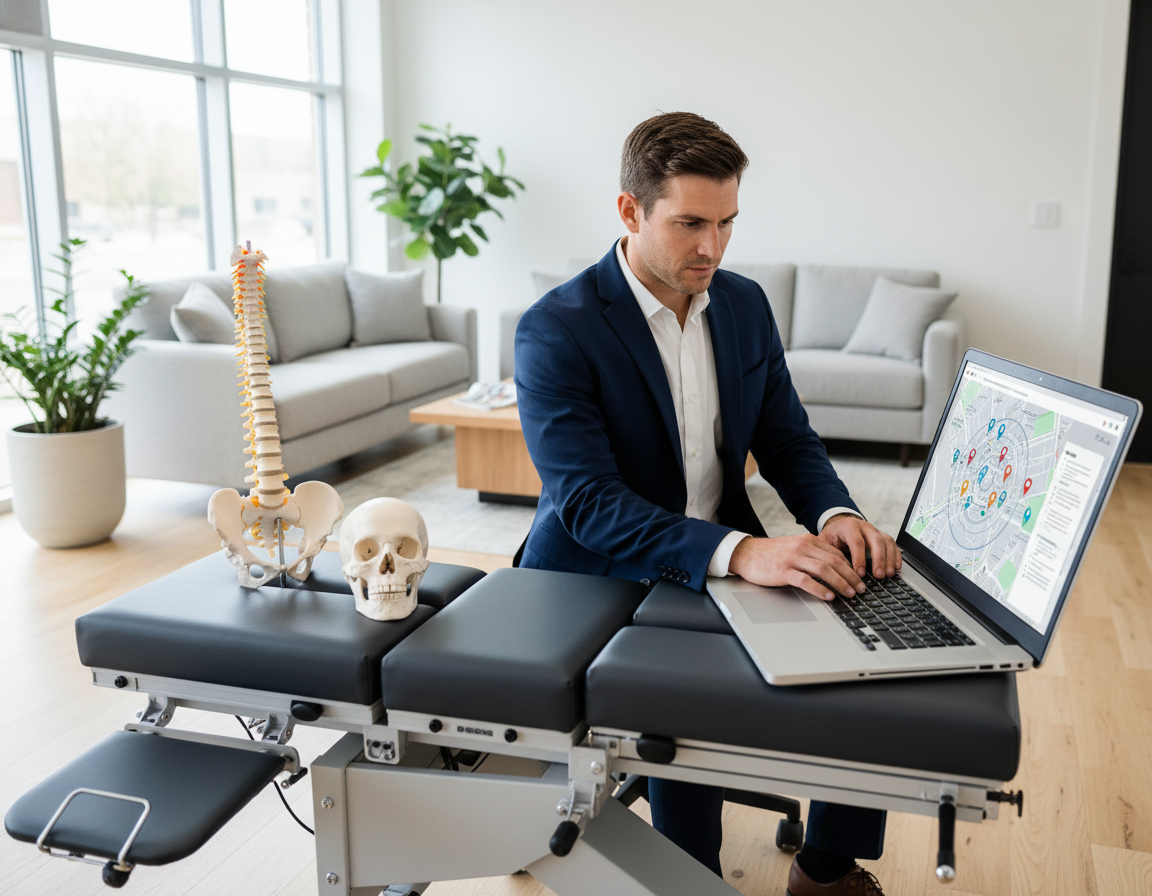
To build a stronger chiropractic practice in the current market, you need a mix of local visibility and systems that convert patient interest into booked visits. Practical chiropractic marketing systems include websites focused on conversion, targeted paid campaigns, and automated nurturing. These strategies help you capture patients looking for relief from back pain, neck pain, sciatica, headaches, and injuries from auto accidents.


Top providers like ChiroBasix and Hibu demonstrate a well-rounded strategy. They use high-intent search traffic, manage Google reviews, and maintain centralized business listings. They also offer CRM features like two-way texting, online booking, and automated follow-up. Those systems help reduce wasted spend and improve marketing performance, making marketing manageable for chiropractor offices.

Experts such as ChiroUp highlight the importance of relationship-driven tactics and measurable routines. A durable marketing plan blends external outreach, professional referrals, and patient retention. It measures performance through new patients per month, referral sources, and website conversions.

For many practices, partnering with a chiropractor marketing company or agency is key. The right agency can build a full system: increase visibility, attract qualified leads, and convert website traffic into steady new patient appointments. Visit www.chiropractorseoservice.com to see how local SEO and lead-generation systems help clinics attract nearby patients seeking care.

Local SEO For Chiropractors: Help Nearby Patients Find You

Local SEO is essential in determining whether patients choose your clinic or a competitor. A well-maintained Google Business Profile with detailed information, photos, and regular updates can significantly increase engagement. Important elements include service listings, hours of operation, appointment links, and posts. Automated review requests and active reputation monitoring also contribute to a positive online image, encouraging more bookings.

Ensuring your business details are consistent across directories is critical. This consistency helps maintain accurate NAP data, which is vital for local search rankings. Regularly updating your categories, such as chiropractor and back pain clinic, and incorporating location-based keywords like “chiropractor near me” can align with patient search queries.

Using structured data and local service pages can enhance your visibility in search results. These pages should detail your practice location and the conditions you treat. As an example, dedicated pages for back pain, neck pain, and other common issues can improve your relevance for targeted searches. Each page should include clear calls-to-action and an option for online scheduling to boost conversions.

Chiropractor SEO Agency

Reviewing your local visibility data with tools like Google Business insights and call tracking can help you understand the effectiveness of your strategies. Asking for reviews after appointments through automated emails, QR cards, and staff prompts can also enhance your reputation. Many strong patient reviews can significantly increase your visibility in local search results, making your clinic more trustworthy.

Creating a repeatable process that includes citation cleanup, consistent listings, and ongoing reputation management can streamline your efforts. That system helps ensure your local SEO strategy aligned with patient behavior, reducing missed opportunities and keeping your clinic competitive in both local maps and organic search results.

Below is a concise comparison of tactical priorities for practice owners who want faster local gains.

Key Focus What To Do Why It Helps
Google Business Profile Complete profile, add photos, services, posts, appointment link Improves local visibility and click-through rates for chiropractor SEO
Review Management Send automated review requests, use QR cards, and respond quickly Builds trust and boosts ranking signals for chiropractor
Citation Consistency Centralize listings, fix NAP errors, update hours and categories Protects map visibility and reinforces local search trust
Condition And Location Pages Build condition-focused service pages with calls to action and online scheduling Improves keyword relevance and conversion for chiropractor website
Tracking Use Google Business insights and call tracking to measure leads Reveals what creates patient inquiries and improves chiropractor SEO services

Content And Website Strategy For Chiropractor Website SEO

Your clinic website is central to new patient growth. It should be quick, responsive, and easy for patients to move through. Use conversion features like appointment booking, clear service descriptions, and trust-building elements like provider bios and patient testimonials. This design ensures visitors to easily find care and book appointments.

Website content should move visitors from learning to booking. Publish condition pages, FAQs, and useful downloadable resources that answer patient questions. Consider hosting a podcast or short video series. Repurpose these into blog posts to boost domain authority and social media engagement.

Create A Website Designed To Convert

Ensure a prominent online scheduling button is on every page. Keep contact information and hours visible throughout the site. Speed up pages and make scheduling easier to enhance conversions and search rankings.

Clearly list services with short descriptions and patient-focused outcomes. Include provider bios that highlight credentials and specialties. Include testimonials and patient stories to build trust and increase click-through rates from search results.

Content Planning For Chiropractic SEO

Create pillar pages for major services and cluster content around long-tail queries. Optimize for patient problem searches like lower back pain, sciatica, and sports injuries to capture local demand. Write keyword-aware titles with natural headings to rank for chiropractor SEO and related terms.

Publish content consistently. Mix short FAQs, in-depth guides, and multimedia pieces. Measure results to identify which topics drive bookings and refine chiropractor content marketing over time.

Build Authority With Helpful Chiropractic Resources

Provide downloadable patient guides and case examples that demonstrate patient growth. Feature conversations with local healthcare and wellness specialists to expand reach. Share educational videos and podcast episodes that can be transcribed into searchable articles to boost chiropractor website SEO.

Support helpful articles with targeted outreach through email and SMS to convert traffic into appointments. Collaborate with chiropractor SEO experts or a chiropractor SEO expert to align messaging, design, and promotion into a unified conversion system.

To keep growing, audit site structure and content quarterly. Bring in chiropractic SEO and digital marketing services when internal capacity is limited. Choose tactics proven by the best chiropractor SEO practices to turn visitors into booked patients.

Chiropractor Paid Advertising And Lead Generation

Paid advertising can help fill appointment calendars quickly if they target the right audience and follow up effectively. A chiropractic marketing agency or SEO company can create search campaigns that attract patients actively seeking care. By matching clear offers with easy booking, clicks can be turned into confirmed visits.

Search campaigns for ready-to-book patients

Structure Google Ads around patient symptoms, nearby searches, and service-specific pages. A google ads chiropractor approach uses exact and phrase match keywords, smart bidding, and ad extensions to boost relevance. Measure phone conversions and form leads to know which ads drive appointments.

Social and display retargeting

Reconnect with website visitors who looked at service or appointment pages with short video ads on Facebook, Instagram, TikTok, and YouTube. Display ads maintain visibility to people who left without booking. Segment audiences so messaging fits visitor behavior, which reduces wasted spend and improves return on ad dollars.

Automated lead capture and nurturing

Capture leads with conversion-focused landing pages that feature clear offers, online scheduling, and two-way texting. Route inquiries into a patient CRM so automated email sequences and appointment reminders increase show rates. A chiropractic lead generation strategy pairs paid traffic with CRM automation to lower no-shows and lift lifetime value.

Chiropractor paid advertising performs best with data behind it. Review CPL, conversion percentage, and appointment attendance to refine targeting. A chiropractic PPC services provider can test creative, landing pages, and audiences while a chiropractor online marketing partner tunes budgets for peak performance.

Relationship-Based Marketing For Practice Growth

Creating trusted relationships with patients and referral partners can significantly boost your practice. A structured chiropractic referral marketing plan ensures a steady flow of new patients from trusted sources. By using repeat interactions, clear value propositions, and tracking, you can convert one-time visits into ongoing referrals.

Building Professional Referrals

Create professional connections with primary care physicians, physical therapists, dentists, and massage therapists. Share success stories, host joint workshops, and provide a PCP outreach toolkit. This system supports consistent and qualified referrals from professionals.

Patient Retention And Internal Marketing

Implement automated reactivation campaigns via email and SMS to keep former patients engaged. Add welcome sequences, feedback surveys, and reputation prompts to increase lifetime value. Asking for referrals at key moments enhances patient retention and conversion rates.

Community And Event Marketing

Participate in health fairs, organize free workshops, and sponsor local sports clubs to increase visibility. Successful local outreach for chiropractors requires combining events with follow-up systems and clear calls to action. Delegating event duties and setting reminder workflows ensures a consistent event schedule.

Combine these tactics in one chiropractor marketing strategy calendar. Track results from referrals, patient retention, and event inquiries. Repeated relationship-building steps produce steady growth, driving revenue growth over time.

Chiropractor Marketing Solutions

Growing a successful chiropractic clinic requires a blend of services, clear metrics, and a partner with deep field knowledge. Full-service packages combine SEO, PPC, social ads, website design, content marketing, CRM integration, and automated patient follow-up. That support lets clinics to focus on patient care while a chiropractor company or agency handles their online presence and lead generation.

Seek providers with CRM features like two-way texting, online booking, automated reviews, phone tracking, and virtual assistants. A capable chiropractor marketing partner will integrate these tools with paid campaigns and organic search. This system helps increase bookings and patient acquisition.

Full-Service Digital Marketing Offerings

A complete marketing package should provide search optimization, paid search, social ads, content creation, local listings, and reputation management. Top chiropractic marketing providers offer case studies, client results, and demos to demonstrate real results.

Marketing services should match practice goals. Clinics with full schedules should emphasize automated follow-up, review growth, and online booking. Practices wanting growth should build content targeting back pain, auto injury, and wellness searches to attract qualified leads.

Choosing The Right Chiropractor Marketing Partner

Look at chiropractic specialists versus broad marketing agencies. Providers such as ChiroUp and Hibu emphasize transparent partners, have proven systems, and offer software integrations. Review demos, client wins, and reporting samples.

Evaluate potential agencies by their specialization. A chiropractor marketing company or agency with niche experience often offers lower lead costs and higher conversion rates. Ask for an audit and consultation before choosing.

Measuring Chiropractic Marketing ROI

Measure new-patient volume, conversions, advertising performance, referrals, show rates, and reputation growth. Review dashboards and run monthly audits to refine strategy and reallocate budget to top channels.

Unify reporting from analytics, CRM, and advertising tools to calculate patient acquisition cost and lifetime value. Transparent reporting from a chiropractor internet marketing provider helps clinics scale with confidence.

Chiropractor digital marketing experts turn search visibility into booked appointments by focusing on measurable KPIs, ongoing testing, and tools that automate patient touchpoints.

Conclusion

An integrated chiropractor marketing solutions approach leads to predictable growth. When clinics combine conversion-ready websites, local SEO, paid ads, and inbound marketing, your practice attracts steady, qualified traffic. Reputation management and a reliable CRM then convert leads into appointments, boosting follow-up rates.

Measurement and automation are essential. Use tools that capture inquiries, support reputation management, and nurture potential patients. That helps your team stay consistent. AI-powered platforms like Hibu One show how marketing can become easier, enhance ROI, and prevent lead loss.

Focus on building relationships through various channels. Assign tasks, track key metrics like new patients and website conversions. Then, concentrate on strategies that yield results. For high-quality chiropractor marketing, a specialized partner can increase visibility and appointment conversions.

Categories
Advertising & Marketing

Local SEO Services For Pool Services Businesses

In today’s competitive market, having a strong online presence is crucial for success. Many businesses struggle to attract customers, but the right strategies can make a significant difference. We’ve helped over 200 companies transform their digital presence and boost their bookings.


Long-term online growth rarely happens instantly. It depends on bringing together website structure, content planning, technical improvements, and local search optimization. When these parts work together, the result is more phone calls, a fuller booking calendar, and stronger revenue growth without needing to increase ad spend proportionally.

By targeting the specific needs of the pool and spa industry, you can attract high-intent homeowners who are already searching for maintenance, repairs, installations, or construction. A well-optimized website acts as a 24/7 sales representative, ensuring visibility to potential customers during peak seasons.

Key Points To Remember

  • Using a specialized SEO strategy helps attract customers who are actively searching for pool and spa services.
  • Partnering with experts can significantly increase booking volume.
  • A well-optimized website acts as a constant sales representative.
  • Knowing the unique needs of the pool and spa market is essential for creating an effective strategy.
  • Your online presence is vital for attracting qualified leads.
  • Ranking on the first page of search engines is essential for success.

SEO For Pool Builders

Understanding The Fundamentals Of Pool And Spa SEO

In a world where digital visibility defines success, understanding the essentials of online marketing is key. Search engine optimization helps your website appear for pool and spa searches on Google and other search platforms. Google remains one of the most visited websites on the internet, making visibility there extremely valuable.

Google assesses your company’s website based on E-E-A-T, which stands for expertise, experience, authority, and trustworthiness. This evaluation helps ensure that users receive high-quality information tailored to their needs.

Building a strong online presence requires mastering these fundamentals. Relying on gimmicks may produce short-term gains, but those gains often lack lasting value. When your company appears higher in search results, it can bring in more relevant organic traffic while lowering reliance on paid ads.

Knowing what matters in the pool and spa industry is important for effective marketing. This knowledge helps your company demonstrate the expertise required to convert skeptical prospects into loyal clients.

How SEO For Pool And Spa Services Strengthens Your Business

Navigating the online landscape can significantly affect your business growth. With the spa industry projected to generate substantial revenue, effective strategies are increasingly important. Many pool companies have improved results by matching website content, structure, and offers to the way pool owners search online.

This approach is built around the specific demands of the pool and spa industry. Instead of relying on broad marketing tactics, the strategy focuses on industry-specific needs.

  • Planning for seasonal demand changes that influence when homeowners search and book.
  • Highlighting high-ticket construction and remodel projects.
  • Understanding recurring service opportunities for ongoing engagement.
  • Helping your company stand out against nearby pool and spa competitors.

By improving your online visibility, you position your company as the preferred choice for potential customers. Better rankings can lead to more traffic, more calls, more quote requests, and stronger revenue. Ultimately, these strategies are designed to help your business thrive in a competitive marketplace.

Creating A Local SEO Strategy For Seasonal Pool And Spa Demand

A strong local strategy is essential for meeting the unique demands of your area. With many customers using Google to evaluate local businesses, local optimization is not just useful; it is crucial.

To strengthen local visibility, concentrate on several important areas.

  • Optimizing your Google Business profile so it appears effectively in local search results.
  • Keep citations consistent across directories so search engines can verify your business details.
  • Use targeted SEO strategies built around city, suburb, and service-area keywords.
  • Encouraging satisfied customers to leave positive reviews that can improve local visibility.

By following these practices, your company can perform better during peak seasonal demand and connect with customers searching nearby.

Conducting Keyword Research For Pool And Spa Services

Understanding the language of your customers is essential for growth. Good keyword research reveals the exact searches people type when looking for pool cleaning, repair, spa service, or construction. This insight is valuable for attracting the right audience.

When it comes to keywords, distinguishing between long-tail and short-tail options is crucial. Long-tail searches like “affordable pool cleaning near me” or “weekly pool maintenance service” may be less competitive and more conversion-focused. Short-tail keywords like “pool services” are broader and more competitive.

SEO resources and tools such as Ahrefs, Backlinko, HubSpot, Search Console, and keyword planners can help evaluate search volume, difficulty, and intent. These platforms provide insight into which keywords are worth targeting. Google Auto-Suggest, People Also Ask, and related searches can provide practical ideas based on real user behaviour.

  • Strong keyword research uncovers exact service terms customers search for, including pool cleaning, leak detection, spa repair, and pool resurfacing.
  • Keyword tools can help separate difficult broad phrases from more specific long-tail searches with better ranking potential.
  • Understanding search intent is critical because it shows whether users want information or are ready to hire.
  • Google suggestion tools can inspire blog topics, FAQ sections, and service pages that match real customer questions.
  • Prioritizing transactional keywords can attract high-quality traffic and increase bookings.

Improving On-Page Elements For Stronger Rankings

A properly organized website can significantly improve how your pages perform in search results. This is essential for attracting potential clients and improving online performance.

When optimizing your pages, focus on these key elements.

  • Crafting effective title tags and meta descriptions is essential for improving click-through rates in search results.
  • Each website page should target a unique keyword to avoid cannibalization.
  • Using H1, H2, and H3 tags helps structure your content for search engines and users.
  • Use keywords naturally in headings and copy so the page remains relevant without sounding forced.
  • Improving on-page SEO is a core step in helping your pages compete against other local pool and spa companies.

Mastering Technical SEO For Speed And Performance

Creating a seamless online experience is crucial for attracting and retaining customers. Technical aspects of your website play a significant role in this process. Prioritizing speed and performance can strongly influence user satisfaction and conversion rates.

Research shows that many users search for spa services from mobile devices. That makes mobile-friendly design essential for rankings, usability, and customer enquiries. Even small load-time increases can cause more users to leave your site. Therefore, optimizing website performance is essential.

Page Speed Optimization Methods And Image Compression

Improving page speed involves several strategies.

  • Compress images so pages load faster while still keeping visuals clear and professional.
  • Minifying CSS and JavaScript files to streamline code.
  • Using browser caching to improve load times for returning visitors.

XML Sitemaps, Crawl Improvements, And Mobile-Friendly Design

Other important technical aspects include the following.

  • Submit an XML sitemap through Google Search Console to help Google discover and index key pages.
  • Fixing crawl errors and broken links to improve the user experience.
  • Make sure the website works properly on mobile devices, where many local service searches happen.
Technical Optimization Method Impact On Load Time Main Benefits
Compressed Images Helps pages load faster by reducing image file size Improves user experience and supports SEO performance
CSS And JavaScript Minification Removes unnecessary code and can improve loading efficiency Supports faster browsing and a smoother website experience
XML Sitemap Submission Helps ensure important pages are discovered and indexed Improves visibility in search results

Improving User Experience To Strengthen SEO Results

User experience plays a major role in how well your website performs in search results. Search engines can observe behaviour signals, including whether users quickly go back to the results after visiting a page. This behaviour can indicate whether they found what they needed.

To create a positive experience, consider the following strategies.

  • Create simple navigation that helps visitors quickly find pool cleaning, repairs, construction, pricing, and contact pages.
  • Use clean layouts, readable spacing, and obvious calls to action that encourage bookings, calls, and estimate requests.
  • Provide valuable content that meets audience needs and reduces the chance of users returning to search results.

When users find exactly what they need, it signals value to Google. That can support better search performance and improved rankings over time. A stronger user experience can improve conversions, trust, and SEO outcomes together.

User Experience Element Effect On Visitor Engagement Search Benefit
Intuitive Navigation Reduces bounce rates Improves ranking potential
Obvious Contact Prompts Increases conversions Turns search traffic into measurable enquiries
Helpful Service Content Keeps users engaged Strengthens relevance, trust, and topical authority

Crafting Compelling, High-Quality SEO Content For Pool And Spa

Helpful content is essential for drawing in prospects and keeping customers engaged. When your website answers real questions, your company appears more knowledgeable and trustworthy. That trust helps potential customers feel more confident about contacting you for service.

To ensure your content connects with your audience, consider these strategies.

  • Address common maintenance questions to demonstrate expertise.
  • Match each content piece to what the searcher wants, whether information, comparison, or service booking.
  • Use practical examples that make technical pool and spa topics easier to understand.
  • Add clear prompts that encourage visitors to call, request an estimate, or schedule service.
  • Refresh your blog with seasonal tips, maintenance advice, and service updates to keep the site active.

By using these methods, your content can educate readers while encouraging them to become enquiries, bookings, and long-term clients. High-quality content is the foundation of a successful online presence.

SEO Content Strategy Benefits Impact On Business
Answering Common Questions Shows expertise and helps customers feel informed Increases trust with customers
Matching User Intent Provides the information searchers actually need Helps turn visitors into leads and customers
Using Examples Makes content relatable Keeps users interested and encourages action

Using Social Media, Backlinks, And Off-Page Authority

To compete effectively today, businesses need trust signals from reviews, social activity, partnerships, and credible mentions. This involves being active on social channels and acquiring relevant backlinks from trustworthy sources. Together, social proof and off-page authority can support stronger visibility and credibility.

You can strengthen social proof through several practical steps.

  • Encouraging customers to leave positive reviews that improve reputation.
  • Interact with followers on Facebook, Instagram, and other platforms to create familiarity and confidence.
  • Using mentions from local journalists to strengthen credibility.

Strategic backlink building is another important part of off-page SEO. Useful approaches include the following.

  • Partner with local pool equipment suppliers, builders, or service providers to earn relevant links.
  • Building relationships with other home service websites to gain trust and relevance.
  • Earn links from trustworthy, high-authority websites to strengthen authority and compete more effectively.

Implementing Local SEO Best Practices With Google Business Profile

Establishing a strong local presence is essential for businesses that want to thrive in their communities. Claiming, verifying, and improving your Google Business Profile is a key step toward stronger map and local search visibility.

Consistent NAP information across Google, Yelp, Bing, directories, and local listings helps search engines confirm your business details. This consistency can significantly improve local rankings.

Claiming And Improving Your Google Business Profile

Reputation management tools can help send review requests shortly after a technician finishes a service visit. This helps your company maintain a steady flow of positive feedback.

Ensuring Consistent NAP And Active Review Management

Fast, professional replies to both positive and negative reviews show customers that your company listens and cares. A well-maintained Google Business presence helps your company appear in the local map pack and capture new leads.

Tracking And Measuring SEO Performance For Pool And Spa Services

Tracking online performance is vital for understanding your business’s growth potential. Using tools like Google Analytics and Search Console can provide valuable insight into digital strategies.

Google Search Console provides important data on keyword rankings and click-through rates. This helps you identify how your website performs in search results. Setting it up properly helps detect indexing issues, crawl problems, and search performance gaps.

Google Analytics tracks important metrics such as conversion rates and bounce rates. This allows you to measure the return on investment of marketing efforts more effectively.

  • Tracking keyword rankings regularly shows which efforts are producing results.
  • Analyzing conversion rates helps determine whether your website turns visitors into paying customers.
  • Studying traffic patterns helps shape future content, SEO, advertising, and local marketing decisions.
Tool Main Purpose Useful Insights
Search Console Track impressions, clicks, rankings, and indexing Identifies technical issues
Analytics Platform Track user behaviour Shows whether visitors are becoming leads or customers
Rank Tracking Evaluate SEO efforts Helps adjust strategies as needed

Avoiding Common SEO Mistakes In The Pool And Spa Industry

Avoiding common mistakes is vital for keeping your online strategy effective. Many companies fall into traps that can limit growth and visibility. Understanding these pitfalls is essential for long-term success.

Keyword stuffing in your Google Business profile name can lead to suspension or even removal from search results. This tactic can breach Google guidelines and harm your local search presence.

Black-hat techniques such as paying for backlinks may seem tempting. However, these shortcuts can lead to penalties, de-indexing, or long-term ranking problems. A safer approach is to focus on quality content, legitimate links, accurate listings, and genuine customer trust.

Maintaining mobile optimization is a non-negotiable requirement. Search engines rely heavily on the mobile version of a site when evaluating pages. Checking robots.txt, resolving crawl errors, and repairing broken links helps search engines access important content.

Never pack your content with excessive keywords. This practice can damage website authority and may result in Google removing pages from search results.

Common Pitfall Impact Solution
Keyword Stuffing Reduced visibility, penalties, or profile suspension Use natural language
Black-Hat Techniques Damaged rankings, lost traffic, and reduced trust Build authority through legitimate content, reviews, and links
Poor Mobile Experience Weak search rankings and poor usability Create responsive, fast, and easy-to-use mobile pages
Indexing Problems Important pages may not be indexed Review Search Console, fix errors, and submit updated sitemaps
Unnatural Keyword Repetition Lower trust, worse user experience, and possible ranking issues Use keywords naturally with helpful, readable content

Final Steps To Future-Proof Your Pool And Spa SEO Success

To keep growing online, your SEO strategy must be reviewed, improved, and adapted over time. Future-proofing your company requires a commitment to refining your approach as search engine algorithms evolve.

Following current SEO trends, local search changes, and customer behaviour helps your business stay competitive. Consistently building high-quality backlinks and refreshing content will help maintain online visibility against new local competitors.

Regularly auditing your Google Business profile and website performance will keep your company near the top of search results for years to come. By mastering these fundamentals, you help your business continue attracting new customers and generating sustainable revenue growth.

Categories
Advertising & Marketing

Marketing Plan For Private Schools

Non-public schools saw an uptick in student enrollment following pandemic disruptions. Families looked for more control, adaptability, and personal connections in their children’s learning. The renewed interest is harder to sustain without updated outreach and deeper relationships with families. Current reporting from the National Center for Education Statistics points to a drop in private school enrollment. A 2024 survey by the National School Choice Awareness Foundation showed a large share of parents explored new school options. At the same time, 64% desired more detailed information. These statistics underscore the importance for a stronger web presence and a targeted approach to connect with families online.


Begin with one practical high-value project, such as a regular social posting rhythm or a clearer website homepage. Use education-focused tools to reduce staff overload. View marketing as a practical enrollment-growth tool, with flexible plans that track progress and respond to shifting parent expectations.

For school leaders wanting practical strategies and cycle-aware advice, visit www.seoforprivateschools.com. The resource provides specialized digital marketing for private schools, built around enrollment cycles and parent research behavior. Five years ago, a professional school website was something that helped a school stand out. Now, it’s an expected starting point. Families expect active social media, fresh updates about school culture, and responsive, cross-platform communication.

Marketing Strategies For Non-Public Schools

Targeted outreach is essential to supporting consistent enrollment and earning confidence with families. Private schools need focused positioning to answer parents’ top concerns. That often covers admissions, tuition, financial aid, safety, and student outcomes. Instead of staged promotions, prioritize authentic stories and frequent visibility to showcase real campus life.

SEO For Private Schools

Why Intentional Outreach Matters For Private Schools

Parents thoroughly research before submitting an inquiry to schools. Well-segmented marketing efforts make it more likely that the right message reaches the right families at the right time. This method limits unnecessary advertising costs and boosts conversion from interest to application.

Marketing content is strongest when it is specific and easy to connect with. Use social media platforms like Instagram, Facebook, and TikTok with planned posting software for consistent posting. Feature student experiences, teacher spotlights, and classroom moments to create credibility.

How Parent Search Behavior And Enrollment Trends Guide Marketing

Prospective households evaluate several schools. Prioritize inbound tactics to capture interest early. This includes blogs, downloadable checklists, and lead magnets that answer common questions. Ensure mobile optimization and fast page speeds for stronger inquiry results.

Add testimonials, FAQ pages, and clear calls to action. Grow email lists at open houses and events. Deliver timely updates about application deadlines and campus visits to nurture prospects.

Connecting Marketing Ideas To Mission And Differentiation

Each campaign asset should reflect the school’s mission, colors, logos, and tone. A steady brand presence across all platforms improves recognition and recall.

Promote unique academic programs, extracurricular strengths, and safety practices. Shape your positioning that sets apart your culture and outcomes. This guides parents through their decision-making process.

Below is a quick comparison comparing actionable ideas for marketing private schools and their anticipated value.

Enrollment Tactic Core Objective Key Actions Expected Result
Social media scheduling Visibility and interaction Regular posts on Instagram, Facebook, TikTok; student stories More visibility and natural inquiries
Downloadable resources and email lists Lead capture Admissions checklists, event forms, protected guides Better-qualified leads and ongoing communication
Conversion-focused website updates Application growth Faster loading, mobile-friendly design, clear calls to action, testimonials Improved application starts and form completions
Content calendar & blogging Inbound traffic and trust Regular posts answering parent questions; SEO-focused topics More reliable organic visibility and improved trust
Brand consistency Brand recall Consistent messaging, school colors, and logos across every channel Better recognition and a sharper competitive identity

Search And Website Strategies For Private Schools

A mobile-friendly school site is essential for strong search visibility. Your website needs to make key information like admissions, tuition, and virtual tours easily accessible. Clear navigation, fast loading times, and accessibility are important for user experience and organic rankings. Combine technical optimization with targeted content to reach parents at every stage of their decision-making process.

SEO Basics For Private Schools: Keywords, On-Page, And Technical SEO

Start with keyword research using tools like Ahrefs or Semrush. Identify the terms parents use in their searches. Next, optimize title tags, meta descriptions, H1s, and image alt text with these keywords. Clean up crawl errors and increase page speed to improve mobile performance.

Schema markup for events, reviews, and curriculum pages supports search engines surface important information. Consistent blogging that responds to parent questions and links to key pages can increase your authority.

Local SEO For Private Schools: Google Business Profile, Local Citations, And Geo-Targeted Content

Improve your Google Business Profile with accurate hours, photos, and event listings. Invite verified reviews and answer to feedback professionally. Confirm your NAP, meaning name, address, and phone, is consistent across local directories.

Create landing pages for specific neighborhoods and towns to capture local searches. That approach helps grow campus visits and RSVPs for events.

How SEO Content Maps To Family School-Choice Decisions

Match your content with the parent decision journey. Top-of-funnel content might include guides on choosing a private school. Comparison-stage resources include detailed program pages and virtual tours. Final-step pages should simplify the application process with clear calls to action.

Use internal linking and clear funnels to guide parents from informational content to application forms. That structure makes clear how SEO can support measurable leads for private schools.

Best SEO For Private Schools: Tools And Metrics

Review organic traffic, keyword rankings, backlinks, and crawl errors with Ahrefs, Semrush, and Google Search Console. Prioritize page speed and Core Web Vitals to reduce bounce rates. Track conversions like contact form submissions and open house RSVPs to judge SEO effectiveness.

For deeper help on SEO for private schools, explore www.seoforprivateschools.com. Schools that combine technical optimization with a content strategy outperform their peers in organic enrollment channels.

Content Marketing And Storytelling To Engage Families

Compelling content builds a vivid picture of life at your school for families. Create narratives that speak to parents, focusing on safety, mental health support, and personalized learning. Highlight security measures such as two-factor authentication and PCI-compliant vendors to instill trust. Make sure mobile-first pages and translated content cater to diverse households, making information accessible.

Blog Content Ideas That Answer Parent Pain Points And Improve Organic Visibility

Develop blog content that addresses parents’ common concerns. Share admissions FAQs, tuition guides, and mental health resource roundups. Share case studies of student success and describe personalized learning paths. Each blog entry should encourage a next step and include a downloadable lead magnet for your CRM.

School Video Content: Daily Life, Student Stories, And Aerial Campus Tours

Create short videos that show a typical school day and highlight teacher achievements. Host virtual open houses and 360° tours for remote exploration. Drone footage adds aerial perspective, while student spotlights offer genuine insights. Host these videos on YouTube and feature them across your site for wider reach.

Community Content And Alumni Proof To Strengthen Credibility

Encourage parents, students, and alumni to share their experiences and photos. Promote alumni success stories and “Where Are They Now?” profiles on your blog and homepage. Host supervised social media takeovers during events to provide a student’s-eye view. Use parent testimonials with their consent to strengthen credibility.

Content Calendar And Sustainable Publishing Cadence For Long-Term Inbound Marketing For Private Schools

Create a content calendar that balances effort and results. Begin with weekly social media posts, a monthly blog, and quarterly videos. Scale as resources allow. Use gated downloads like admissions checklists to collect emails. Create nurture sequences to sustain ongoing inbound marketing efforts.

  • Short-term: a monthly blog post plus weekly social stories.
  • Growth phase: a monthly video or podcast plus broader blog coverage.
  • Mature phase: alumni features, student-focused content, and a durable resource hub.

Explore content marketing services for private schools for specialized support. Experienced partners can align content with enrollment timelines and digital marketing strategies with search behavior. Focus on the family experience to support steady organic growth.

Social Media, Advertising, And Paid Channels

Set a clear purpose for each platform. Instagram and TikTok are strong choices for visual storytelling, sharing daily campus life. Post consistent clips of classrooms, sports, and arts to engage prospective families. Facebook is ideal for community updates and event invites. LinkedIn is great for engaging alumni and faculty. YouTube is well-suited to longer tours and testimonials.

Plan organic social tactics that build trust. Plan student takeovers and parent ambassador features during admissions season. Create a branded hashtag campaign to encourage user-generated content. Advertise open houses and workshops with live streams for busy parents. These digital marketing tactics for private schools support consistent and authentic content.

Paid strategies must align with enrollment goals. Use geo-targeted Facebook and Instagram ads to reach local neighborhoods. Run PPC for open-house searches and reach intent from parents using Google. Remarket to visitors who viewed admission pages with display and YouTube ads. Paid search for private schools is powerful when ads direct to a dedicated RSVP or application page.

Track what matters to demonstrate value. Track impressions, CTR, CPA, and conversion actions like RSVPs and application starts. Apply UTM tags, Google Analytics, and each ad platform dashboard to measure performance sources. Review reports with leadership and your digital marketing agency for private schools to adjust budgets by campaign performance.

Combine organic and paid channels into an enrollment calendar. Schedule promotions around application deadlines, admission events, and tuition cycles. Refine creative and audience segments monthly. Specialized resources such as www.seoforprivateschools.com can help align paid-media strategies with family search behavior and the wider online marketing for private schools effort.

Enrollment Automation, CRM, And Family Follow-Up

First, map the family journey from first visit to enrollment. Offer simple lead magnets such as admissions checklists, tuition & aid guides, and interactive quizzes to build emails. Provide gated virtual tours and RSVP forms for events to move prospects deeper into the funnel.

Develop segmented nurture flows that reflect family interest. Set up sequences for preschool, lower school, middle school, and high school prospects. Record location and program preference so each message feels personal and timely.

Building Lead Magnets And Gated Content To Capture Prospective Family Information

Design downloadable guides and quizzes that answer parent questions. Maintain forms short to reduce drop-off. Provide mobile-friendly sign-ups and branded apps to maintain family interest and make easier payments and donations.

Review which lead magnets produce the most inquiries. Test small A/B tests on headlines and calls to action. Feed the winners into your enrollment marketing software for private schools to grow effective content.

Automated Marketing System For Private Schools: Email Nurture Sequences And Drip Campaigns

Build multi-step email journeys: welcome, program highlights, testimonials, event invites, and deadline nudges. Schedule communication to respect parents’ time and maintain interest.

Leverage marketing automation for private schools to trigger follow-ups after webinar attendance or incomplete applications. Create behavior-based rules so high-intent families are sent quicker outreach.

Using Private School CRM Tools To Track Touchpoints And Conversions

Choose a CRM for private schools that centralizes inquiries, notes, and event attendance. Ravenna and similar platforms support tracking of touchpoints from first visit to acceptance.

Apply enrollment marketing software for private schools to schedule application reminders. Create reports on lead magnet conversion, open-house attendance-to-application rates, and final enrollment conversion.

Personalizing Communications For Higher Conversion: Segmentation, Events, And VIP Tours

Segment by grade, geography, or program interest. Create targeted invites to open houses and offer VIP tours for families with high engagement. One-to-one follow-up boosts application completion.

Emphasize follow-ups for incomplete applications with automated reminders and personalized calls. Leverage CRM for private schools to mark these leads and assign staff members to intervene.

Enrollment Stage Tool or Asset Key Metric Example Action
Top of Funnel Downloadable assets and virtual tours Resource conversion rate Push downloadable admissions checklist via social ads
Consideration Stage Automated emails, drip sequences Engagement rate Share school strengths and parent proof through email
Submission Stage CRM for private schools, enrollment suites Application completion rate Trigger personalized deadline emails for incomplete applications
Final Choice Stage VIP tours, one-on-one meetings Offer acceptance rate Offer VIP campus tours to highly engaged families
Retention & Giving Branded app with simple payment options Giving completion rate and repeat family engagement Enable easy tuition and donation forms inside the app

Community Outreach, Events, And Traditional Marketing Tactics

A strong in-person outreach plan transforms interest into actual campus visits. Carefully designed community events for private schools build connections. They allow families to meet teachers, explore facilities, and envision their child’s future. These events connect to marketing efforts, strengthening inquiries and deepening relationships.

Campus open days, workshops, and family festivals provide a chance for families to assess a school’s environment. It is important to clearly communicate safety protocols beforehand and send digital reminders. For households that miss the event, virtual open houses and recorded tours are very helpful.

Parent ambassador initiatives improve word-of-mouth marketing. Engaged parents, students, and alumni are encouraged to lead tours or participate in neighborhood meetups. They may be prompted to share their experiences through reviews and social media posts.

Creating alumni web pages and calendars helps keep former families engaged. Running alumni networking nights and recognition ceremonies fosters loyalty. Alumni-funded awards and mentorship programs also strengthen long-term fundraising efforts.

Neighborhood relationships strengthen credibility and cross-promotion. Partner with preschools, libraries, sports leagues, and businesses for events or classroom visits. Encourage local media to cover achievements, earning earned media coverage.

Fundraising should be simple and accessible on mobile devices. Offer smooth donation processes, event ticketing, and tuition payment options. Encourage recurring gifts and named scholarships to involve donors over time.

Integrate offline tactics with digital tracking to understand results. Create sign-in sheets, unique RSVP links, and surveys for follow-up. Connect efforts across admissions, social media, and development teams to track leads.

Small, well-executed events turn families into ambassadors who promote your school. When families feel appreciated, positive word-of-mouth marketing follows. For help on linking offline events to online engagement, explore www.seoforprivateschools.com.

Closing Summary

Current admissions success requires a balanced, practical approach. Successful enrollment marketing for private schools involves strong SEO, focused content storytelling, and active social channels. It should also include targeted paid campaigns. By combining these digital tactics with CRM-driven automation and regular community events, you can create a steady pipeline of qualified families.

The challenge is immediate: parents often launch their school search online. A school without local visibility or a mobile-first website can lose prospects before the first campus visit. Marketing plans for private schools must prioritize local SEO, accessible site design, and a consistent content calendar. That helps capture search intent and creates trust.

Start from a clear digital marketing strategy for private schools. Use geo-targeted ads for open houses and offer lead magnets to feed your CRM. Create nurture sequences that follow the family decision journey. Combine these steps with alumni engagement and neighborhood partnerships for a fuller enrollment strategy for private schools.

For customized help, explore support from a marketing company for private schools that understands enrollment cycles and family behavior. Focus on measurable steps now to convert online interest into campus visits and enrollments.